
How Long Do Dental Implants Last? Factors That Influence Lifespan and Success

If you are weighing up tooth replacement options in Melbourne, longevity sits near the top of the list. Patients want a solution that looks natural, feels stable and stands the test of time. If you are comparing providers or reading reviews for Dental implants Melbourne, you are probably asking a simple question: how long do they last?
What the evidence says about lifespan
Large reviews offer a clear picture of durability. At 10 years, implants show very high survival, with pooled estimates around 96.4% at the implant level. Survival remains strong at 15 years, sitting near the high 80s at a patient level, and around four in five implants are still in function at 20 years in contemporary analyses. There are even reports of single-tooth implants working after almost four decades, provided maintenance is consistent. These numbers describe survival, not perfection, and they underline the value of ongoing care.
Survival is not the same as success
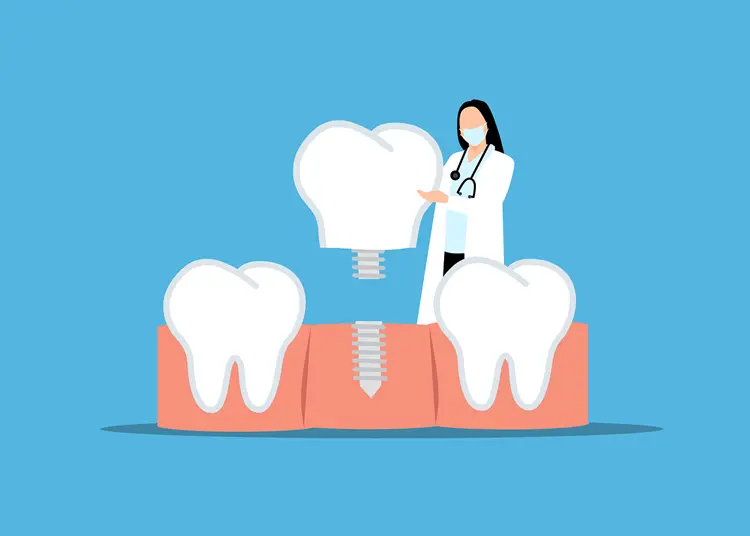
An implant has three main parts: the titanium fixture in the bone, the abutment and the crown or bridge that you see. The fixture may remain stable for decades while the prosthetic parts need repair, screw tightening or a new crown after years of biting and chewing. Long follow-ups show that prosthetic complications are more common than fixture failure, which is why routine reviews are part of the treatment plan, not an optional extra.
Cost, value and expectations
Price varies with the number of teeth replaced, grafting needs, materials, and the clinician’s training. If you are researching Dental implants cost Melbourne, be wary of single headline figures. A sensible quote separates surgical placement, the abutment, the crown, possible bone or gum grafting, and post-operative reviews. Comparing like with like helps you judge true value rather than chasing the lowest sticker price.
Patient factors that shorten lifespan
Oral and general health make a measurable difference. A history of periodontitis and cigarette smoking are consistently linked with higher rates of peri-implantitis, the inflammatory disease that can lead to bone loss around the implant. Probable bruxism also raises failure risk, so a protective night guard may be advised. Good plaque control and regular maintenance while cheap dental implants visits reduce these risks, while poor glycaemic control in diabetes can aggravate tissue inflammation. If you are comparing options for affordable dental implants Melbourne, prioritise providers who screen and manage these risks rather than overlooking them.
Surgical and prosthetic decisions that matter
Planning affects longevity. Adequate bone volume, correct implant positioning, and careful loading timelines support healthy bone remodelling. The design of the restoration counts too. Cleanable contours, stable occlusion and a screw-retained approach where suitable can lower day-to-day stress on the implant and simplify future maintenance. These details take time to get right, and they belong in any discussion about the cost of dental implants Melbourne, because quality planning and components are part of what you are buying.
Maintenance: the quiet key to success
Even the best-planned case needs upkeep. Professional reviews typically fall every three to six months depending on risk profile, with peri-implant probing, tailored hygiene instruction and implant-safe debridement. Some patients start with three-monthly visits in the first year before moving to six-monthly intervals if tissues remain stable. This rhythm helps catch inflammation early and protects the investment.
Daily care that pays off
Home care should feel familiar: twice-daily toothbrushing with a soft head or an electric brush, interdental cleaning using floss, interdental brushes or water flossers around bridgework, and attention to the junction where the crown meets the gum. If you clench or grind, a night guard reduces overload on the implant–crown complex and can limit wear on opposing teeth. Patients who follow these routines tend to enjoy steadier bone levels over time.
Red flags and when to call your dentist
Persistent bleeding when brushing, swelling, tenderness on biting, a loose crown or an unpleasant taste from one site are warning signs. Early review allows conservative treatment before bone loss sets in. For those looking for dental implants near Melbourne, choose a practice that offers structured recall, timely repairs and a clear pathway if complications arise.
A practical way to choose a provider
Look for: clear imaging-led planning, transparent itemised fees, documented maintenance protocols, and evidence-based risk management for smokers, diabetics and probable bruxers. Ask how they monitor bone levels, whether restorations are designed to be cleaned easily, and what is covered in the first year after placement. High survival figures in the literature reflect careful case selection and consistent follow-up, not quick fixes.
Read More : The Role of Bone Density in Implant Success
The takeaway for Melbourne patients
Dental implants can serve for decades, with 10-year survival commonly in the mid-90s and credible data supporting long performance when planning and maintenance are strong. Choose a clinician who takes time with diagnostics, explains risks plainly and offers a maintenance schedule you can stick to. With that approach, the implant feels less like a device and more like a trustworthy part of your smile.