





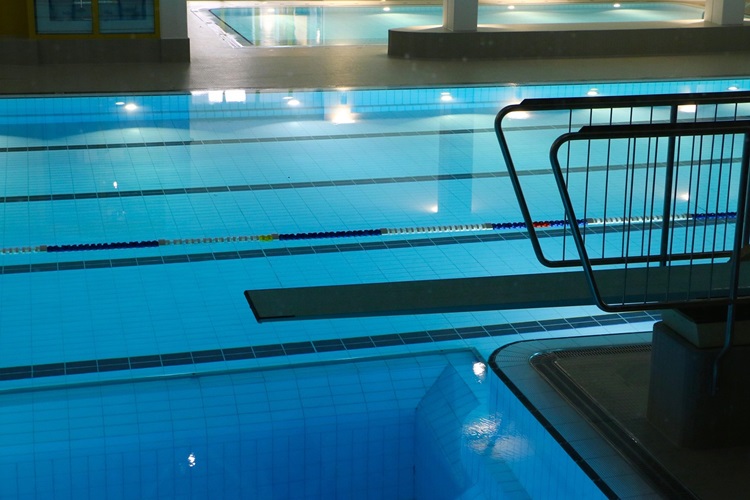
Indoor pools are great assets for fitness facilities, hotels, schools, and recreation facilities. However, collecting and managing a proper indoor pool area is vital for ensuring safe, comfortable, and energy-efficient settings. Understanding the warning signs of a malfunctioning heating and cooling unit will help to reduce the risk of finding a major issue.
Humidity Levels Fluctuating
Humidity is one of the most critical components to an indoor pool area. When the commercial pool dehumidification system is not functioning properly, humidity can be unpredictable.
- Too high: Excess moisture in the air can create condensation on windows, ceilings, and walls, which can create corrosion of metal fixtures, peeling paint and other structural issues.
- Too low: Dry air can irritate swimmers’ skin and eyes, as well as create uncomfortable conditions for staff and guests.
Dramatic fluctuations in humidity suggest that the HVAC systems and components may require maintenance. Building operators can monitor humidity trends on a daily or weekly basis to identify problems in advance of anticipated commercial heating and cooling repairs, if applicable.
Visible Condensation on Windows or Walls
Condensation can be more than an annoyance, it is a direct sign that your indoor pool system is not operating appropriately. When moisture develops on windows, glass doors or painted surfaces, moisture levels are not being adequately controlled.
- Condensation can damage window frames.
- Long-term moisture can also impact any poolside electronics.
- Regular inspections of windows, walls, and ceilings can spotlight small problems before serious maintenance issues develop.
Unusual Noises from the System
An appropriately functioning indoor pool dehumidification system should operate unnoticed. Strange noises are, however, an early sign of mechanical trouble.
- Rattling or banging are often sounding of components in the dehumidification system being out of alignment or loose such as fans or belts.
- Hissing or whistling sounds may be caused by duct leakage, or refrigerant lines may be losing refrigerant.
Indoor recreational aquatics facilities depend on ventilation and control of humidity to ensure acceptable air quality. When the HVAC or dehumidification system is malfunctioning the staff or swimmers may observe:
- A significant chlorine odor attributable to high humidity that traps pool chemicals in the air
- Stale or musty doors, which often indicates mold growth due to excess moisture.
- Irritated eyes, throat or skin, which may hint at air not being evenly distributed or an internal component’s failure.
The above items not only hinder comfort, but can also adversely impact health and safety. It is best to address commercial heating and cooling repair needs before more serious issues arise.
Rising Energy Bills
One less observable warning sign of system issue is the increase in energy bills. When a HVAC system in not operating correctly:
- Fans or pumps may run longer than required.
- A refrigeration or heating unit may need to work harder than it was designed to do to compensate for the faulty system.
- Leaks or blockages may require more energy consumption to hold the temperature and humidity.
By monitoring utility costs, you can spot inefficiencies early. A check or repair, if needed can return a system to the highest efficiency and lower costs for months and months.
Inconsistent Water Temperature
Heating systems are used to create a comfortable and safe water temperature in indoor pools. When something goes wrong with a commercial heating and cooling system that services your pool:
- The temperatures of the water may feel different in different areas of the pool.
- Swimmers may feel uncomfortable.
If temperatures are inconsistent, it is a clear indication the commercial heating and cooling system needs to be repaired.
Prevention Tips for Indoor Pool
It is important to understand the signs, but preventative maintenance is the best approach to avoid costly repairs. Facility mangers should take the following preventative steps:
- Regular Check-ups – check humidity levels, condensation, air quality and noises from systems consistently.
- Scheduled Maintenance – check fans, pumps, refrigerant lines and filters based on the suggestions by the manufacturer.
- Hire Experts – hire a certified technician for scheduled commercial heating and cooling repairs or to calibrate the entire system.
- Monitor Energy Usage – track monthly bills to spot unusual spikes in energy usage possibly caused by an inefficient heating and cooling system.
- Train Staff – train your pool staff to learn early warning signs and notify management accordingly.
- Squealing or grinding: Often a sign of worn motors or bearings.
The last thing you want to do is ignore these noises, as further damage and repairs will increase costs.
Indoor pools are an activity center for recreation and wellness, but you rely on your commercial pool dehumidification systems to be functioning optimally. Recognizing the early alarms of humidity fluctuation, condensation on walls or windows, noises, poor air quality, increasing energy bills, can save you time and money.