





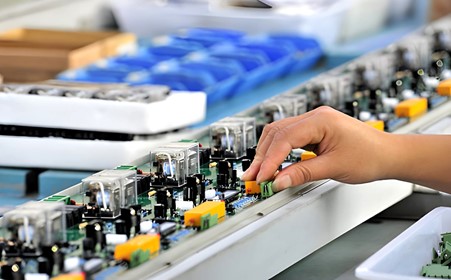
In the evolving world of electronics manufacturing, the need for flexibility, precision, and scalability has never been greater. Small Batch PCB Assembly has emerged as a preferred production model for startups, R&D departments, engineers, and electronics innovators who require limited quantities of high-quality printed circuit boards before scaling to mass production. Whether you are testing a new circuit design, running prototypes for client demonstrations, or producing small volumes of custom electronics, small-batch assembly ensures faster turnaround, cost-effectiveness, and superior quality control.
This manufacturing approach supports agility in design validation and accelerates time-to-market—both crucial in today’s competitive technology landscape.
What Is Small Batch PCB Assembly?
Small Batch PCB Assembly refers to assembling printed circuit boards in low quantities, typically ranging between 5 to 1,000 units, depending on the project scope. Unlike mass production lines that prioritize bulk runs, small-batch services focus on precision, customization, and quick adaptability to design changes.
These services often include prototyping, component sourcing, SMT and through-hole assembly, manual inspection, automated testing, and support for rapid upgrades and engineering modifications.
Why Choose Small Batch PCB Assembly?
Cost Efficiency for New Projects
Ordering thousands of PCBs when designing new electronic products can be risky and expensive. Small-batch assembly enables you to validate functionality and detect issues before large-scale investment, minimizing financial waste.
Fast Turnaround Time
With smaller order volumes, manufacturing, assembly, and testing cycles are much quicker. This is essential for industries where innovation and timely product launch determine market success.
Design Flexibility & Easy Updates
When working on new products, modifications are common. Small production allows engineers to refine layouts, improve performance, and resolve errors without affecting a large inventory.
Quality Control & Testing Precision
Small-batch runs ensure engineers and technicians can carefully monitor every assembly phase. This leads to greater reliability, smoother product refinement, and reduced chances of failure in mass production.
Ideal for Prototyping & R&D
Research teams and hardware startups frequently operate in cycles of testing and improvement. Small-batch PCB assembly perfectly supports iterative development, enabling fast enhancements and real-world performance validation.
Key Features of Small Batch PCB Assembly
Flexible Component Sourcing
Manufacturers can source components from global suppliers or even work with customer-provided materials, ensuring optimal component quality and pricing.
Mixed Assembly Technologies
Both SMT (Surface Mount Technology) and THT (Through-Hole Technology) are supported, depending on component specifications and device requirements.
Manual and Automated Processes
Small-batch assembly leverages both advanced machinery and skilled manual soldering for specialized components, ensuring precision across every board.
Advanced Testing Protocols
Functional testing, automated optical inspection (AOI), and X-ray analysis help ensure excellent build quality and performance.
Custom Packaging & Final Assembly
Many small-batch services also include box build assembly, wiring, and final product assembly, enabling turnkey solutions for product launch.
Applications of Small Batch PCB Assembly
Small Batch PCB Assembly is crucial across industries, including:
- Consumer electronics prototypes
- Automotive electronics testing units
- Industrial automation modules
- Medical device boards
- IoT and smart device innovations
- Aerospace and defense prototypes
- Robotics and AI hardware development
- Telecom and communication devices
From smart wearables to power management systems, small-batch production helps innovative electronic designs reach real-world testing environments quickly and efficiently.
Challenges to Consider
While small-batch assembly offers many advantages, it also comes with considerations:
- Unit cost may be higher than mass production
- Component availability can affect lead time
- Engineering documentation must be precise
- Prototype revisions may require re-fabrication
However, with the right partner, these challenges are easily manageable and help deliver superior results in early-stage development.
Tips for Successful Small Batch PCB Assembly
- Submit complete Gerber files and BOM
- Share assembly drawings and pick-and-place files
- Choose components with good supply availability
- Prioritize DFM (Design for Manufacturability) principles
- Work with an experienced assembly provider
Good planning and communication can ensure a seamless small-batch manufacturing experience.
Conclusion
Small Batch PCB Assembly provides a cost-effective, flexible, and efficient approach for innovators and companies looking to test concepts, refine product designs, and launch limited-volume production runs. It empowers businesses to optimize performance, reduce risk, and bring high-quality electronics to market faster.
If you are preparing for your next electronics project and need expert assembly support, partnering with a trusted PCB Assembly Company ensures professional quality, reliable components, precision assembly, and access to scalable solutions as your product matures from prototype to full production.