





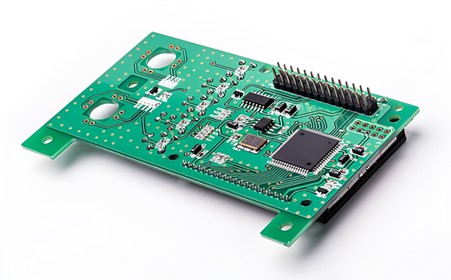
Modern electronics demand compact size, high reliability, and improved electrical performance. This is where Embedded PCB technology plays a transformative role. An Embedded PCB integrates electronic components such as resistors, capacitors, and semiconductors directly into the substrate of the circuit board, rather than mounting them solely on the surface. By embedding components internally, manufacturers achieve a smaller form factor, stronger electrical performance, and enhanced durability — making this technology essential for advanced and space-saving devices.
What Is an Embedded PCB?
An Embedded PCB is a printed circuit board where functional electronic components are placed within the layers of the PCB material during manufacturing. Instead of occupying surface space, these components are protected inside the board. This increases the available area for additional circuits and reduces the size and weight of the final product.
Embedded PCBs typically contain buried passive components and can also integrate active chips within the PCB layer. These boards require precision manufacturing techniques such as laser drilling, controlled depth routing, and advanced lamination processes, ensuring components remain secure and electrically stable.
Why Embedded PCB Technology Matters
The electronics industry is rapidly evolving toward smaller yet more powerful devices. Embedded PCB solutions solve many engineering challenges:
- Compact Size & Space Optimization
Embedding components within the PCB eliminates the need for surface-mounted devices in many areas. This significantly reduces PCB footprint and allows designers to create sleek and lightweight electronics without sacrificing performance.
- Enhanced Performance & Signal Integrity
Shorter connection paths reduce signal loss, noise, and electromagnetic interference (EMI). This results in faster data transmission, improved signal stability, and higher overall efficiency — especially beneficial in high-frequency and high-speed applications.
- Better Thermal Management
Heat-generating components can be embedded inside the PCB and connected to thermal vias or heat-spreading layers. This allows better heat dissipation and improves the lifespan of electronic components.
- Higher Reliability
Embedded PCBs minimize solder joints and mechanical stress, reducing failure points and enhancing overall durability. This makes them ideal for harsh environments such as automotive, aerospace, and industrial systems.
- More Room for Complex Designs
With key components placed internally, engineers can use the PCB surface for additional circuits or mechanical parts. This flexibility supports sophisticated multilayer and HDI (High-Density Interconnect) PCB layouts.
Applications of Embedded PCB
The versatility and reliability of Embedded PCB technology make it suitable for a wide range of industries:
Automotive Electronics
Advanced driver-assistance systems (ADAS), electric vehicle power modules, and controllers rely on Embedded PCBs for robust performance and reduced weight.
Medical Devices
Miniaturized medical devices, wearable health monitors, imaging instruments, and implantable devices benefit from the compact size and reliability of embedded electronics.
Consumer Electronics
Smartphones, tablets, wearables, gaming consoles, and smart home devices require compact PCBs with superior electrical performance, making embedded technology a perfect match.
Telecommunication & Networking Equipment
High-speed routers, satellite systems, and 5G infrastructure depend on embedded components for stable high-frequency performance and lower signal interference.
Aerospace & Defence Systems
Military communication systems, avionics, and guided systems demand extreme reliability and durability, where Embedded PCBs excel.
Manufacturing Process of Embedded PCB
Building an Embedded PCB requires advanced fabrication technologies:
Component Selection & Preparation
Tiny passive components or semiconductor dies are chosen and pre-tested to ensure long-term reliability.
Embedding Process
Components are placed inside prepared cavities or directly laminated into PCB layers. Special adhesives and conductive pastes ensure secure electrical and mechanical bonding.
Lamination & Via Formation
The PCB layers are laminated under controlled temperature and pressure, securing the embedded components. Designer-defined micro-vias and buried vias then form electrical connections.
Electrical Test & Inspection
Every Embedded PCB undergoes rigorous electrical tests like AOI, X-ray inspection, and functional testing to ensure perfect integration and durability.
Challenges & Considerations
Although the benefits are immense, designing and producing Embedded PCBs requires expertise:
- Precise thermal and stress management during manufacturing
- Specialized materials and design tools
- Rigorous electrical testing to guarantee long-term reliability
- Higher initial manufacturing cost compared to standard PCBs
However, for mission-critical and compact applications, the advantages easily outweigh the complexities.
Future of Embedded PCB Technology
As AI hardware, EVs, wearable tech, and 5G devices continue to grow, Embedded PCB technology will play a crucial role in achieving faster, smaller, and more energy-efficient systems. More semiconductor embedding, ultra-thin dielectric materials, and hybrid packaging innovations will drive the future of electronics manufacturing.
Conclusion
The Embedded PCB has become a breakthrough innovation for industries that require compact size, improved reliability, and superior performance. By embedding essential components within the PCB layers, manufacturers create more efficient and powerful circuits without compromising durability or space.
To harness this advanced technology effectively, partnering with an experienced Embedded PCB Manufacturer is essential. A qualified specialist can support your project from material selection and embedded component placement to high-precision lamination and quality testing — ensuring unmatched performance, longevity, and engineering excellence for your next-generation electronic products.