





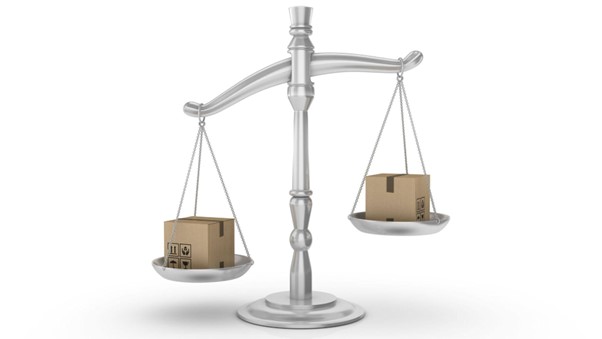
Not all cardboard boxes weigh the same. And that matters more than you might think. Whether you’re shipping products, storing goods, or designing custom packaging, box weight affects your cost, safety, and choices.
In this guide, you’ll learn what really affects box weight—and how to make better decisions because of it. We’ll walk you through real numbers, material types, and tips to help you plan smarter.
We’ve been making corrugated and cardboard boxes for over 10 years and ship them to customers around the world. You can trust this guide to give you real, useful answers.
Why knowing box weight Is crucial
Box weight affects more than just the package itself. It impacts your shipping costs, warehouse storage, and even safety during handling.
For e-commerce sellers, lighter boxes help lower delivery fees. For warehouse teams, knowing the weight helps prevent stacking damage and injuries from lifting. If you pack orders daily, saving even a few ounces per box can add up fast.
Many businesses skip this step. They pick boxes based on size only. That’s where problems start—like overspending on shipping or getting packages returned due to carrier restrictions.
Knowing your box weight helps avoid these costly mistakes.
What affects the weight of a cardboard box
Several things decide how heavy a box is. Let’s break it down.
Size
Bigger boxes use more material, so they naturally weigh more—even when empty.
Material Type
Boxes made from corrugated cardboard are usually heavier than those made from thinner paperboard. Thicker walls = more weight.
Design
Some boxes include extra layers, coatings, or inserts. A printed box with a glossy finish weighs more than a plain one.
Flute Type
“Flutes” are the wave-shaped paper between cardboard layers. We’ll go deeper into those later, but thicker flutes usually mean more weight.
These factors all work together to impact box weight.
Common types of cardboard used in boxes
There are two main types of cardboard used in packaging: corrugated and paperboard. They look similar but perform differently.
Read More : Business Accounting For Growth
Corrugated vs. Paperboard: what’s the difference?
| Feature | Corrugated Cardboard | Paperboard (Chipboard) |
| Structure | Multiple layers with a wavy inner flute | Single-layer, flat paperboard |
| Strength | Strong, durable, great for shipping | Light, best for retail packaging |
| Weight | Heavier due to layered design | Lighter, thinner |
| Best for | Shipping, stacking, product protection | Cosmetic boxes, cereal, folding cartons |
Single-wall, double-wall, and triple-wall cardboard explained
- Single-wall: One layer of fluting between two liners. Lightest option. Great for small, lightweight products.
- Double-wall: Two layers of fluting and three liners. Stronger and heavier. Good for stacking and heavy items.
- Triple-wall: Three flutes and four liners. Most durable. Used for industrial shipping and export crates.
How much does a cardboard box weigh?
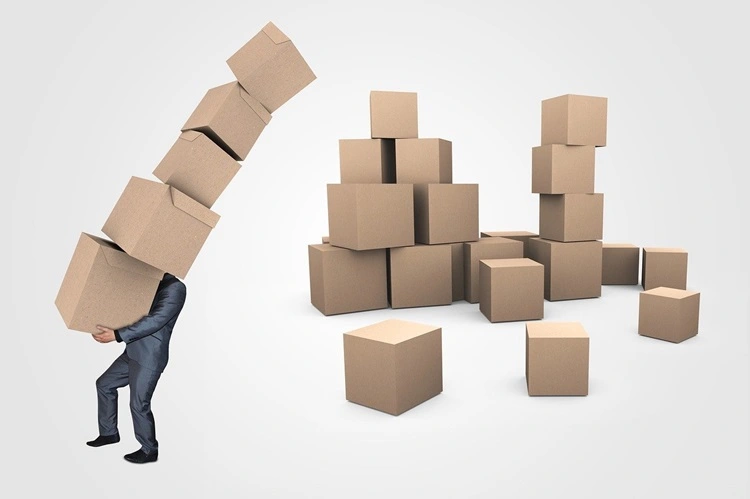
Box weight depends on the size and material. Here are some typical weights in different units.
Box weight in ounces, grams, and kilograms explained
- Small box (8″ × 6″ × 4″):
– Around 0 oz
– About 140 grams
– 0.14 kg - Medium box (12″ × 10″ × 8″):
– Around 5 oz
– About 270 grams
– 0.27 kg - Large box (20″ × 16″ × 12″):
– Around 18 oz
– About 510 grams
– 51 kg
How weight changes with box size – small, medium, large
- Small: Lightweight and compact. Best for small electronics, cosmetics, or books.
- Medium: Balanced weight. Used for clothing, household goods, and retail products.
- Large: Heaviest. Used for bulk orders or larger items like tools or equipment.
A medium-sized box holding lightweight products can stay under 1kg total. But if you use a double-wall large box, just the box alone adds half a kilo before you pack anything inside.
How much do custom cardboard boxes weigh
Custom boxes usually weigh more than standard ones. Why? Because you’re adding features that use extra material.
Why custom printing, coatings, and inserts add extra grams
- Printed designs use more ink and layered finishes
- Glossy or matte coatings add a thin film over the surface
- Foam or paper inserts help protect your products—but they also add weight
- Extra flaps or cutouts for branding or structure increase material use
Even a small custom box can weigh 10–20% more than a plain one of the same size.
Want to see what goes into a well-designed custom box? Check out our custom packaging design page. It shows how design choices affect both look and weight.
Standard box weights for popular sizes
To help you plan better, here’s a quick chart showing common box sizes and how much they usually weigh when empty.
| Box Size (inches) | Wall Type | Weight (grams) | Weight (oz) |
| 8 x 6 x 4 | Single-wall | 140g | 5oz |
| 12 x 10 x 8 | Single-wall | 270g | 9.5oz |
| 12 x 10 x 8 | Double-wall | 400g | 14oz |
| 20 x 16 x 12 | Double-wall | 510g | 18oz |
| 20 x 16 x 12 | Triple-wall | 750g | 26oz |
In real use, a single-wall medium box is great for everyday shipping. But if you’re sending something heavy or stacking in storage, a double-wall or triple-wall version might be better—even if it adds more weight.
Flute types and their influence on weight
Cardboard flutes are the wave-shaped layers inside corrugated board. They create space, strength, and structure. Different flute types have different thickness and weight.
- A flute is the thickest. It’s around 5 mm. It offers good cushioning but adds more weight.
- B flute is thinner, about 3 mm. It’s more rigid and lighter than A flute.
- C flute is common—about 4 mm thick. It balances strength and weight.
- E flute is thin and light, around 1.5 mm. It’s used for small retail boxes.
- F flute is even thinner, about 0.8 mm. It gives high-quality print but low strength.
Heavier doesn’t always mean stronger. A thicker flute might protect better against impact, but a denser flute like B can hold more weight under compression. That’s why box choice depends on what you’re shipping—not just weight alone.
How box weight impacts shipping costs
Shipping companies don’t just look at size. They charge based on dimensional weight or actual weight, whichever is higher.
Dimensional weight is calculated using box size and a fixed formula. It’s meant to account for the space a box takes up—not just how heavy it is. So even a lightweight box can cost more if it’s big.
If your box is both large and heavy, you’ll be charged more either way. That’s why understanding box weight helps you cut costs.
To save money, use the smallest box that still protects your product. Try lighter materials when possible, and avoid over-packaging. Reducing box weight can lower not just shipping costs, but also fuel and storage costs too.
How to weigh a cardboard box accurately
Getting an accurate weight helps avoid shipping surprises. Here are a few simple tips:
- Weigh the box empty first to know its base weight
- Add your product and packaging materials, then weigh again
- Make sure the box is fully sealed if you’re weighing it packed
- Use a flat, stable surface to get the best reading
- Always round up slightly to avoid underestimating
For small businesses, a basic digital postal scale works fine. For warehouses or bulk shipping, consider using platform scales or floor scales for larger boxes.
Weighing your boxes right helps with planning, pricing, and avoiding carrier issues.
Lightweight alternatives to traditional cardboard
Sometimes, regular cardboard is just too heavy. If weight matters a lot—like for air shipping or eco goals—you have other options.
Eco-friendly and lightweight materials are becoming more popular. They help reduce shipping costs and environmental impact. Many companies now choose lighter packaging to lower their carbon footprint and save fuel during transport.
Here are some good alternatives:
Pulpboard is thin and stiff. It’s used for lightweight retail packaging.
Honeycomb cardboard has a layered, hollow structure. It’s strong but lighter than triple-wall corrugated.
Paper foam and molded pulp are made from recycled paper. They’re compostable and used for electronics or cosmetics.
These materials work well when you need protection but don’t want added bulk.
FAQs
1. Can two boxes the same size weigh differently?
Yes. A box made with double-wall cardboard will weigh more than a single-wall one, even if the size is the same. Add printing or coatings, and it gets even heavier.
2. What’s the lightest type of shipping box available?
Boxes made from E or F flute corrugated board, or thin paperboard, are usually the lightest. They’re best for small, non-breakable items.
3. Is there a legal limit to box weight for air freight?
Yes. Most airlines have limits for package weight—often around 70 lbs (about 32 kg) per box. Heavier boxes may need special approval or extra fees.
Conclusion
Box weight isn’t just a number—it affects how you ship, how much you pay, and how your product arrives.
Now you know what affects box weight, how to measure it, and what to expect from different materials. Whether you’re shipping small parcels or building custom packaging, choosing the right box helps you balance cost, protection, and sustainability.
You came here to understand how much a cardboard box weighs—and now you’ve got the full picture.