





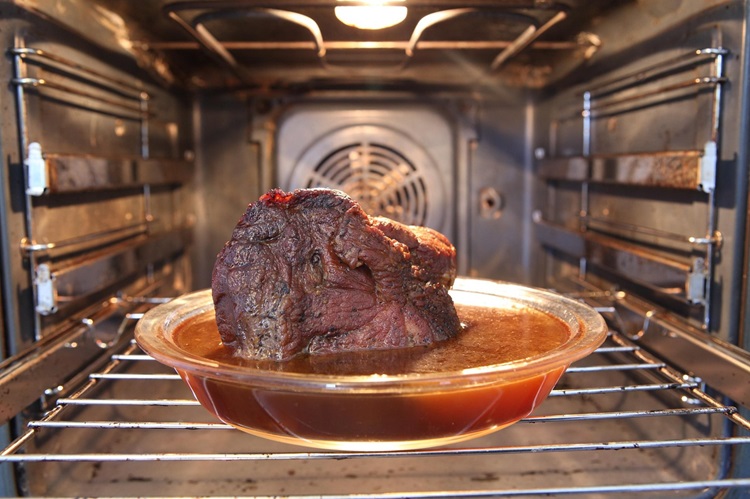
Ovens might seem indestructible, but they’ve got their weak spots. A bit of baked-on mess here, a stubborn smear there, or even the wrong cleaning product can quietly cause damage that adds up over months or years.
That’s when repairs or replacements start creeping onto your radar. Fortunately, most of these little traps are easy to dodge once you know what to look out for. So, keep reading to discover 8 cleaning mistakes that can quietly cost you your oven.
- Using Harsh Chemicals
We get it. You may be tempted to reach for the strongest bottle in your cupboard, especially if your oven looks like it survived a food fight.
However, those harsh formulas can leave behind traces that can damage your unit and contaminate your food.
Thankfully, there’s a gentler way. You can mix bicarb and a splash of water to form a paste that’s surprisingly effective at cutting through buildup. Once you have your mix, all you need is just a bit of patience and a soft cloth to apply it.
And if you prefer store-bought options, always check the labels and make sure they don’t have unpronounceable ingredients or scary warnings. By steering away from harsh options, you’ll be doing the planet a bit of a favour, too.
- Skipping Regular Maintenance
Oven grime tends to build up little by little until one day it’s impossible to ignore. One day, there are only a few crumbs, and the next, smoke from last month’s roast is curling out the door.
This is why you should give things a quick once-over after you’re done cooking to save yourself a ton of frustration later and keep your oven working like it should.
You don’t have to go all out, either. After cooking, grab a damp cloth and wipe away any spills or splatters before they bake on.
Then, once a week, give the interior a slightly deeper clean with warm soapy water, focusing on the corners, edges, and spots that often get missed.
No need to set alarms—just link it to something you already do, like checking your pantry or putting the bins out.
However, if things have gotten out of hand, local oven cleaners can step in to hit the reset button on your oven without the stress.
- Ignoring Oven Racks
The metal grates that hold your trays do more than just support your Sunday roast. The way you slot them decides whether your dinner gets blasted with top heat, slow-roasted from below, or baked nice and evenly in the middle.
Also, if you’ve noticed smoke when nothing is burning, it could be a leftover drip from last week’s lasagne. That charred residue can stick around and cause smells or strange flavours.
Here’s a simple fix: Soak them in a tub of warm, soapy water for an hour. Then, give them a gentle scrub with something non-scratchy. To finish things off, rinse the shelves and dry them well before putting them back.
- Overlooking the Oven Door
If your oven’s glass panel is cloudy or greasy, you’re more likely to keep opening it mid-bake. However, every peek lets heat escape, causing your food to take more time to cook and pushing your unit to guzzle up more energy.
You don’t need anything fancy to sort it out. A bit of white vinegar mixed with water and a soft cloth will lift smudges and splatters without scratching the surface.
Keeping that panel clear helps you see inside, prevents smells, and stops stubborn marks from forming.
- Sealing Odours In
Even with the gentlest methods, you may still end up with unpleasant odours. So, don’t let a little steam or smells turn your clean-up session into a nose-holding marathon.
Let some fresh air in before you start. Swing open a window, get that fan humming, and wait till everything is cooled off before diving in. You’ll avoid any puffs of steam, and lingering smells won’t take you by surprise.
While you’re at it, take a couple of short breaks to stretch your legs and breathe some fresh air.
- Using Steel Wool or Abrasive Tools
Scrubbing with tough tools can feel satisfying, but they often leave scratches that never go away. Over time, those marks can mess with the heat distribution or even cause parts to degrade faster.
Instead, stick to softer options, like sponges, cloths, or brushes made for non-stick surfaces. If you need extra power, that same sodium bicarbonate paste works wonders with minimal effort and zero damage.
Picking the right tools means less wear and tear, better results, and fewer regrets later on.
- Forgetting the Seals and Hinges
Those rubbery edges and metal joints aren’t just there for show. They keep precious heat in and help everything work efficiently. If they’re coated in old food splatters or gunk, they won’t form a tight seal, and heat can slip through the cracks.
A soft toothbrush and a bit of mild soap go a long way here. Gently scrub the folds and crevices, then dry them well.
Look after these neglected bits every couple of months, and you’ll notice things running more smoothly with fewer temperature fluctuations.
- Misusing the Self-Clean Cycle
If you have a model with a built-in self-cleaning mode, you may think it’s your ticket to skipping manual cleaning altogether. However, relying too heavily on this setting or misusing it can lead to trouble.
These cycles crank up the heat to extreme levels, which isn’t always kind to internal parts. So, using it too often could strain the components or even leave scorch marks.
If you want to make the most out of this mode, don’t run it right after cooking. Let everything cool fully, empty your unit, and keep an eye on the process. It’s helpful once in a while, but not a replacement for occasional hands-on care.
Conclusion
Congratulations! You now know how to avoid those rookie cleaning errors and keep your oven in tip-top shape.
So, say goodbye to scrubbing, smoke, and surprise repair bills. From here on out, it’s smooth sailing—well, as smooth as anything gets when there’s gravy involved.