





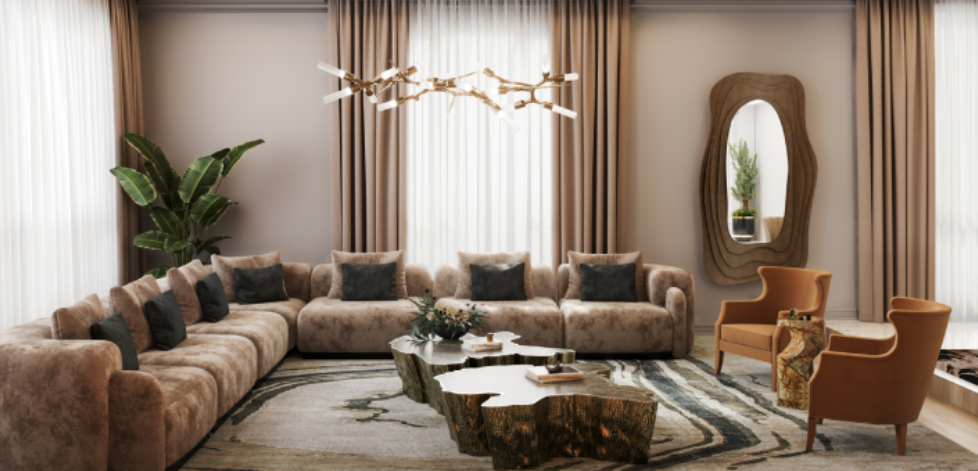
There is a fine line between a room that feels memorable and a room that feels like it is trying far too hard. In interior design, statement furniture has the power to anchor a space, create personality, and give a home a sense of identity. But when pieces are chosen without enough thought for balance, context, or restraint, the result can feel loud rather than confident. That is the difference between statement furniture and furniture that just shouts.
A well-designed room does not need every item to compete for attention. In fact, the most impressive spaces are often the ones that know exactly where to place emphasis. A sculptural armchair, an oversized pendant, or a beautifully considered living room table can become a focal point without overwhelming everything around it. The magic lies in how that piece relates to the rest of the room.
What Statement Furniture Actually Does
Statement furniture is not simply bold furniture. It is furniture with presence, purpose, and visual clarity. It draws the eye because it offers something distinctive, whether that is shape, scale, material, colour, or craftsmanship. Importantly, it also feels intentional.
A true statement piece tends to do one or more of the following:
- grounds the room
- introduces contrast in a thoughtful way
- reflects the personality of the home
- creates a focal point without demanding constant attention
- complements the surrounding palette, textures, and proportions
The key word here is intentional. Statement furniture does not exist in isolation. It works because it has been chosen in conversation with the room around it.
When Furniture Starts Shouting
Furniture starts shouting when every piece is trying to be the hero. Instead of one or two carefully selected focal points, the room becomes crowded with oversized silhouettes, aggressive colours, busy finishes, and clashing styles. Rather than feeling curated, it feels confused.
This does not always happen because people choose bad furniture. More often, it happens because they choose too many strong pieces at once, or because they mistake boldness for style. A velvet sofa in a rich colour can be stunning. A velvet sofa, patterned armchairs, a dramatic marble table, mirrored cabinetry, and three oversized artworks all fighting in the same room can quickly tip into visual chaos.
The issue is not confidence. It is lack of editing.
The Role of Restraint
Restraint is often what separates sophisticated interiors from spaces that feel exhausting. Statement furniture needs breathing room. It needs quieter pieces around it so its details can be appreciated.
Think of a room like a conversation. If one person speaks with clarity and confidence, you listen. If everyone is shouting over each other, the message is lost. Furniture works much the same way. A curved sofa in an otherwise calm room feels elegant and deliberate. The same sofa in a room already packed with competing textures, shapes, and colours may feel theatrical for the wrong reasons.
Restraint does not mean playing it safe. It means knowing when enough is enough.
Scale Matters More Than People Think
One of the biggest reasons furniture feels shouty is poor scale. A statement piece should feel bold in a way that suits the room. If a piece is too large, too heavy, or too visually dominant for the space it sits in, it can throw everything else off balance.
For example, a substantial dining table can look beautiful in an open-plan room with high ceilings and generous proportions. Place that same table in a compact space with narrow walkways, and it becomes oppressive rather than impressive. Likewise, a dramatically oversized armchair might look sculptural in a spacious corner, but awkward and intrusive in a smaller living room.
Good interiors are not just about choosing beautiful objects. They are about choosing pieces that fit the room physically and visually.
Material and Finish Can Make or Break the Mood
Statement furniture often succeeds because of quality material choices. Timber with visible grain, natural stone, boucle, leather, brushed metal, or hand-finished surfaces all bring depth and richness. These materials can feel expressive without becoming overbearing.
Furniture that shouts often relies on excess rather than substance. High-gloss finishes, overly ornate detailing, flashy embellishments, or trend-heavy combinations can feel loud when they are not grounded by the rest of the scheme. A piece may catch your eye initially, but if it has no visual harmony with its surroundings, it can age quickly.
The difference is subtle but important. Statement furniture invites you to keep looking. Shouty furniture almost demands it.
Colour Should Lead, Not Hijack
Colour is another area where the line can blur. A bold colour choice can absolutely create a statement, but the strongest interiors use colour with control. A rust-toned sofa, deep green sideboard, or cobalt occasional chair can energise a room when supported by a balanced palette.
Problems arise when colour is used without a clear plan. Too many saturated tones at similar intensity can make a space feel restless. The eye has nowhere to settle. In contrast, a room with one clear colour moment often feels stronger because it knows exactly what it wants to say.
This is why neutral rooms can still feel powerful. Statement does not always mean bright. Sometimes it is the silhouette, the craftsmanship, or the texture that does all the talking.
Shape and Silhouette Deserve Attention
Sometimes the most effective statement furniture is not loud in colour at all. It stands out because of its shape. A beautifully curved lounge chair, a sharply geometric console, or a soft-edged coffee table can give a room character without overwhelming it.
This kind of statement often feels more timeless because it leans on form rather than novelty. Strong silhouettes create visual interest while still leaving room for the broader design story to unfold.
Shouty furniture, by contrast, often layers one dramatic device on top of another. It is not just brightly coloured, but also oversized, heavily patterned, and highly reflective. There is no single defining quality. Everything is turned up at once.
A Room Needs Hierarchy
One of the most overlooked concepts in styling a space is hierarchy. Not every piece of furniture should carry equal visual weight. The room should have a clear structure, with a few elements leading and the others supporting.
That might mean:
- one standout sofa paired with simpler occasional chairs
- a dramatic dining table balanced by understated lighting
- an eye-catching table or sideboard supported by softer textiles and quieter décor
When hierarchy is missing, a room can feel unsettled. Your eye jumps from one thing to the next without landing anywhere. Statement furniture works because it gives the room a centre of gravity.
Personality Is Not the Same as Noise
Many people worry that if they hold back, their home will feel bland. But there is a difference between personality and noise. A room with personality reflects the people who live there. It feels layered, confident, and lived in. A noisy room often feels like it was assembled from individual pieces chosen to impress on their own rather than work together.
Homes with real personality tend to mix strong moments with quieter ones. They understand contrast. They are not afraid of interest, but they also know that beauty becomes more noticeable when it is not competing with everything else.
How to Choose Statement Furniture Well
If you want to incorporate statement furniture without tipping into excess, the best approach is to start with one clear focal point. Choose the piece that deserves attention most, then let the rest of the room support it.
Ask yourself:
- What is this piece bringing to the room?
- Is it the colour, shape, material, or scale that makes it special?
- Does the space around it allow it to stand out?
- Are other nearby items helping it, or fighting with it?
This kind of thinking creates rooms that feel confident instead of cluttered. It also tends to lead to better long-term choices, because you are not relying on trend or gimmick to create impact.
The Most Stylish Rooms Rarely Feel Desperate
Ultimately, statement furniture should feel self-assured. It should enhance a room, not dominate it for the sake of attention. The most stylish spaces are rarely the loudest. They are the ones that understand proportion, mood, contrast, and editing. They know when to be bold and when to stay quiet.
Furniture that just shouts usually reveals a lack of trust in the room as a whole. Statement furniture, on the other hand, trusts that one strong move is often enough. That’s what makes the difference. One creates focus. The other creates noise. And in a well-designed home, focus will always feel more powerful.