




Trends move quickly. One year it is curved silhouettes and chalky neutrals, the next it is high-contrast tones, heavy texture, or a completely different interpretation of minimalism. That is part of what makes interiors exciting, but it can also make furniture buying feel risky. No one wants to invest in pieces they love, only to have them feel tired or overly trend-driven not long after they arrive.
The good news is that timeless furniture does not have to be boring. Choosing pieces that will still feel relevant in two years, five years, or even longer is less about playing it safe and more about understanding what gives furniture lasting appeal. It comes down to proportion, materiality, versatility, and the way a piece works within your life rather than simply within a moment on social media.
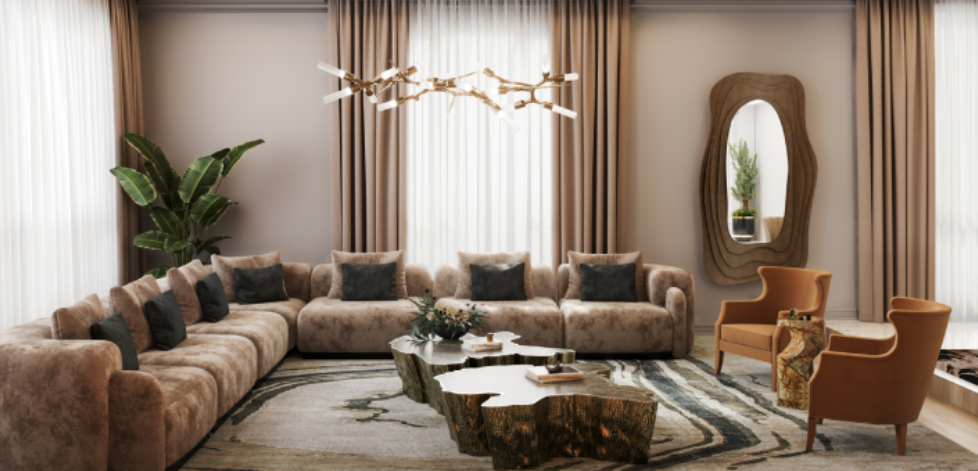
For example, a well-designed living space might include contemporary black coffee tables that feel current without leaning too hard into a passing fad. When a piece has a clean silhouette, practical function, and enough visual balance to work across changing styles, it becomes much easier to live with for the long term.
If you are trying to furnish your home with confidence, here is how to choose furniture that feels fresh now without looking dated in just a couple of years.
Look for Strong Shapes Over Trend Shapes
One of the easiest ways to avoid short-lived furniture choices is to focus on shape first. Trend-based furniture often announces itself immediately. It might have an exaggerated curve, an unusual form, or a novelty detail that feels exciting in the moment but quickly starts to dominate the room.
By contrast, timeless furniture usually has strong, resolved proportions. That does not mean it has to be plain or traditional. It simply means the silhouette feels balanced. A sofa with generous lines, a dining table with solid proportions, or an armchair with a refined profile will hold its own far longer than something chosen mainly because it looks fashionable right now.
When assessing shape, ask yourself whether the piece would still look good in a different room, with different styling, or in a completely different colour palette. If the answer is yes, that is usually a good sign.
Prioritise Quality Materials That Age Well
Materials play a huge role in how furniture is perceived over time. Certain finishes date quickly because they are heavily associated with one specific style cycle. Others stay relevant because they develop character and sit comfortably across a range of aesthetics.
Timber, stone, metal, linen, leather, wool, and quality upholstery fabrics generally have much more staying power than overly glossy, synthetic, or highly embellished finishes. Natural materials tend to soften and settle into a home in a way that feels more enduring. They also make it easier to update the surrounding styling without needing to replace the furniture itself.
This is especially important for anchor pieces such as dining tables, coffee tables, bed frames, entertainment units, and sideboards. The larger the piece, the more worthwhile it is to choose a finish with longevity rather than novelty.
Avoid Buying Entirely to Match a Trend
A common mistake is buying furniture to suit a trend instead of buying furniture to suit a home. There is a difference. Trends can be useful for inspiration, but once every piece starts referencing the same aesthetic, the result often feels locked into a specific year.
Instead of building a room around what is currently popular, think about the atmosphere you want to create. Do you want the home to feel relaxed, refined, grounded, welcoming, calm, or layered? Those kinds of qualities last much longer than any trend forecast.
Furniture that endures usually supports a broader mood rather than a narrow look. That gives you room to evolve the space with accessories, art, lighting, textiles, and colour over time without making the main pieces feel irrelevant.
Choose Neutral Foundations, Not Flat Ones
Neutral furniture often gets recommended as the safe option, but there is an important distinction between neutral and lifeless. A home full of bland, generic pieces can feel just as dated as one filled with trend-driven buys.
The goal is to choose furniture with enough character to feel intentional, while still remaining adaptable. That might mean a sofa in a soft textured fabric rather than a bold trend colour, or a table with subtle detailing rather than ornate, highly specific styling.
Neutrals with depth tend to work best. Think warm whites, charcoal, black, taupe, olive, tan, soft greys, and timber tones with visible grain. These colours and finishes offer longevity because they can move with the room as your tastes shift.
Think About What Can Be Restyled Easily
Some furniture pieces are easier to refresh than others. A simple dining table can be given a new life with different chairs, lighting, table styling, or surrounding colours. A streamlined sofa can look completely different with a seasonal change in cushions and throws. A well-proportioned coffee table can move between contemporary, coastal, minimal, or more layered interiors depending on what sits around it.
That flexibility matters. The more ways a piece can be styled, the less likely it is to feel locked into a single moment. Furniture that works across multiple looks tends to last because it can keep up with subtle changes in your taste.
Before buying, consider whether the piece could work with different rugs, artwork, finishes, or accessories in the future. A versatile piece often proves to be a smarter investment than the one that feels the most visually dramatic on day one.
Pay Attention to Scale and Proportion
Furniture can start to feel wrong long before it starts to feel old. Often, what people interpret as a dated room is actually a room with awkward scale. Oversized pieces in a small space, tiny furniture floating in a large room, or shapes that fight the architecture can all make interiors feel unresolved.
Timeless rooms usually have good visual rhythm. The furniture suits the room, the spacing feels natural, and nothing appears squeezed in or underwhelming. That is why scale is just as important as style when choosing long-lasting furniture.
A beautifully designed piece will not perform well if it is too bulky, too low, too delicate, or too visually heavy for the room around it. Choosing proportion carefully gives furniture a better chance of looking right not only now, but as the room evolves.
Buy for Daily Life, Not Just First Impressions
Furniture that lasts aesthetically also tends to last functionally. If a piece does not suit the way you live, it will feel inconvenient very quickly, and inconvenience often leads to dissatisfaction. Once that happens, even good-looking furniture can start to feel like a mistake.
A timeless piece is usually one that earns its place. It feels good to use, fits the rhythms of the household, and continues to make sense long after the excitement of a new purchase fades. That might mean choosing a dining table with enough room for real gatherings, a sofa with durable upholstery, or storage furniture that actually solves a practical problem.
When furniture works hard in a home, it becomes part of the home’s identity. That creates a more lasting connection than trend appeal ever could.
Be Careful With Highly Specific Details
Certain design details can date furniture more quickly than others. Extremely sculptural legs, novelty edging, ultra-specific finishes, and decorative flourishes tied to one trend cycle often lose their appeal the fastest.
This does not mean detail should be avoided altogether. In fact, thoughtful detailing is often what makes furniture feel elevated. The difference is restraint. Refined joinery, interesting texture, subtle curves, or clean-lined hardware can add personality without overwhelming the piece.
The best long-term choices often strike a balance between simplicity and interest. They are not so plain that they disappear, but not so stylised that they become difficult to live with.
Mix Timeless Pieces With Smaller Trend References
A smart approach is to keep your main furniture pieces grounded and let trendier elements show up in easier-to-change layers. That could be through artwork, lamps, cushions, ceramics, throws, or smaller occasional furniture.
This way, your home can still feel current and expressive without requiring major furniture replacements every couple of years. It also gives you permission to enjoy evolving styles without committing your biggest purchases to them.
Think of your foundational furniture as the steady base of the room. Everything else can shift around it. That is often what makes a home feel both stylish and enduring.
Trust Pieces That Feel Settled, Not Just Exciting
There is a difference between furniture that gives an instant reaction and furniture that continues to feel right over time. The first can be tempting, especially when shopping quickly or being influenced by trend-heavy imagery. The second is usually quieter, but often more rewarding.
When choosing furniture, try to imagine how you will feel about it after the novelty wears off. Will it still feel balanced, useful, and visually pleasing? Will it support the home you are actually creating, not just the mood board version of it? If so, it is probably a stronger long-term choice.
Timeless interiors are rarely built from impulse. They are built from pieces that feel considered, adaptable, and genuinely enjoyable to live with.
Ready to get started?
Choosing furniture that will not date in two years is not about rejecting style. It is about choosing style with enough substance to last. The most enduring pieces are the ones that combine beautiful proportions, quality materials, practical function, and enough versatility to move with your home over time.
Rather than chasing what is newest, focus on what feels balanced, useful, and well made. Buy pieces that give you flexibility, not limitations. Let trends influence the lighter layers of your home, while your larger furniture choices remain grounded and confident.
When you approach furniture this way, your home is far less likely to feel tied to a passing moment. Instead, it will feel considered, personal, and relevant for much longer than two years.