





Spend time around seniors during their final year, and you start seeing two very different approaches.
Some students are constantly stressed. Always catching up. Always reacting.
Others look calmer.
Not because school is easier for them. Usually, because they figured out a few habits earlier that make everything feel more manageable once the pressure ramps up.
It’s rarely about talent.
Usually about approach.
And the small things they do differently tend to add up over the year.
1. Start With Real Exam Questions Earlier Than You Think
One thing a lot of students say after their first big exam is that they wish they had practiced real exam questions sooner.
Homework feels different.
Tests feel different.
Time pressure changes everything.
Students who seem more confident usually aren’t guessing. They’ve already spent time working through real past exam papers so the structure feels familiar instead of intimidating.
Patterns start to appear.
Questions start to feel predictable.
Confidence usually follows familiarity.
2. Build Study Habits That Feel Normal
The students who struggle most often try to suddenly become perfect.
Huge study plans.
Massive sessions.
Unrealistic expectations.
It rarely lasts.
Students who improve steadily usually make studying feel normal instead of extreme. An hour most days. Regular review. Study time that feels routine instead of dramatic.
Nothing heroic.
Just steady.
And steady usually wins.
3. Pay Attention to What Actually Works For You
Watch a group of high-performing students, and something becomes obvious.
They don’t all study the same way.
Some rewrite notes. Some test themselves constantly. Some talk through concepts. Some use flashcards. Some need quiet. Some need background sound.
The common pattern isn’t the method.
It’s that they figured out what works for them instead of copying everyone else.
Personal systems usually outperform borrowed ones.
4. Deal With Difficult Subjects Early
Most students know exactly which subject they’re hoping will magically get easier.
It usually doesn’t.
The students who finish strong tend to lean into their harder subjects earlier. Asking questions sooner. Practicing sooner. Fixing confusion while there’s still breathing room in the year.
Small gaps stay small if you catch them early.
Left alone, they rarely stay small.
5. Learn How to Actually Focus
Ask teachers what hurts student performance most now and they usually don’t say difficulty.
They say distraction.
Phones nearby. Constant interruptions. Multitasking that feels productive but isn’t.
Students who improve often make one simple adjustment.
Phone away.
Timer on.
Work first.
Check later.
Focus improves surprisingly fast once distractions disappear.
6. Think Momentum, Not Panic
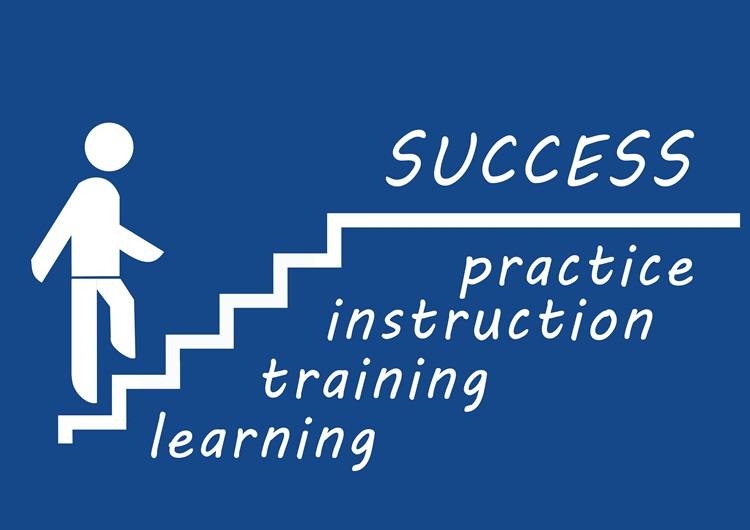
The biggest difference between students who finish strong and those who feel overwhelmed often comes down to momentum.
Not last-minute effort.
Not all-nighters.
Momentum.
Doing a little preparation regularly. Reviewing mistakes. Keeping things moving forward even when motivation dips a bit.
Progress feels slow early.
Then it compounds.
Because the students who seem calm at the end usually aren’t less stressed.
They just built momentum while everyone else was still figuring things out.