





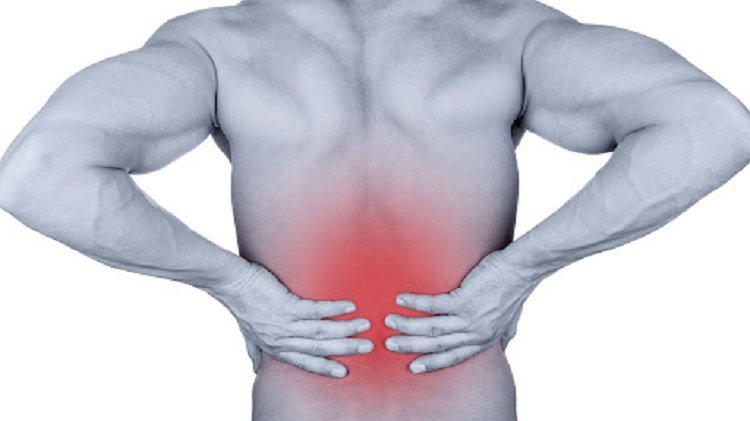
Natural postpartum back pain is one of the most common concerns new mothers experience after giving birth. The physical demands of pregnancy, labor, carrying a newborn, breastfeeding, and lack of sleep can all contribute to ongoing discomfort. While some soreness is expected, there are many natural and effective ways to reduce pain and support the body’s healing process.
Natural Ways to Relieve Postpartum Back Pain
Bringing a new baby into the world is an incredible experience, but the postpartum period also comes with many physical challenges. One of the most common complaints among new mothers is back pain. Whether it’s a dull ache in the lower back, tension in the shoulders, or stiffness throughout the spine, postpartum back pain can make daily tasks more difficult.
Fortunately, there are many natural methods that can help relieve discomfort without relying heavily on medication. Gentle movement, proper posture, healthy nutrition, chiropractic care, and self-care practices can all play an important role in recovery.
Why Does Postpartum Back Pain Happen?
Several factors contribute to back pain after childbirth.
Hormonal Changes
During pregnancy, the body produces hormones such as relaxin that loosen ligaments and joints in preparation for childbirth. These hormones may remain active for several months after delivery, leaving joints less stable and increasing strain on the spine.
Weak Core Muscles
Pregnancy stretches the abdominal muscles significantly. After birth, these muscles need time to regain strength. A weaker core places additional pressure on the lower back.
Poor Posture
New mothers spend many hours feeding, rocking, lifting, and carrying their babies. Repeating these movements with poor posture often causes muscle tension and spinal stress.
Lack of Sleep
Sleep deprivation doesn’t directly cause back pain, but it slows recovery and increases muscle fatigue, making discomfort feel worse.
Delivery Recovery
Whether childbirth was vaginal or by cesarean section, the body undergoes tremendous physical stress that requires healing.
Common Symptoms
Postpartum back pain can appear in different ways.
Common symptoms include:
- Lower back pain
- Upper back stiffness
- Neck pain
- Shoulder tension
- Hip discomfort
- Pain when standing up
- Muscle spasms
- Difficulty bending or lifting
If pain is severe, continues worsening, or includes numbness or loss of bladder or bowel control, immediate medical evaluation is necessary.
- Practice Good Posture
Maintaining proper posture is one of the simplest ways to reduce back pain.
When feeding your baby:
- Keep your back supported.
- Bring the baby toward you instead of leaning forward.
- Use nursing pillows for extra support.
- Keep both feet flat on the floor.
When standing:
- Relax your shoulders.
- Keep your ears aligned with your shoulders.
- Avoid locking your knees.
Small posture improvements throughout the day can significantly reduce strain on the spine.
- Lift Your Baby Correctly
Improper lifting is a major cause of postpartum back pain.
Instead of bending from the waist:
- Bend your knees.
- Keep your back straight.
- Hold your baby close to your body.
- Lift using your legs rather than your back.
These techniques protect both your spine and your healing abdominal muscles.
- Strengthen Your Core Gradually
A strong core provides support for the entire spine.
Once approved by your healthcare provider, gentle exercises may include:
- Pelvic tilts
- Deep abdominal breathing
- Walking
- Heel slides
- Pelvic floor exercises (Kegels)
As healing progresses, your provider or physical therapist may recommend additional strengthening exercises.
Avoid rushing into high-impact workouts before your body is ready.
- Stay Active with Gentle Walking
Walking is one of the safest forms of postpartum exercise.
Benefits include:
- Improves circulation
- Reduces stiffness
- Supports muscle recovery
- Boosts mood
- Increases flexibility
Begin with short walks and slowly increase distance as comfort improves.
- Apply Heat or Cold Therapy
Natural pain relief often starts with simple home treatments.
Heat Therapy
Warm showers, heating pads, or warm compresses help:
- Relax tight muscles
- Increase blood flow
- Reduce stiffness
Cold Therapy
Cold packs work well when inflammation is present.
They help reduce:
- Swelling
- Muscle soreness
- Acute pain
Some mothers alternate between heat and cold for additional relief.
- Stretch Daily
Gentle stretching keeps muscles flexible and reduces tension.
Helpful stretches include:
- Cat-Cow stretch
- Child’s Pose
- Shoulder rolls
- Neck stretches
- Hip flexor stretches
Move slowly and stop immediately if any movement causes pain.
- Sleep in Supportive Positions
Quality sleep supports healing.
When sleeping:
- Place a pillow between your knees if sleeping on your side.
- Use a supportive mattress.
- Avoid sleeping on your stomach during early recovery.
- Support your lower back with a small pillow if needed.
Even short periods of quality rest help muscles recover.
- Maintain a Healthy Diet
Good nutrition helps tissues heal naturally.
Include foods rich in:
Protein
Supports muscle repair.
Examples:
- Eggs
- Chicken
- Fish
- Beans
- Lentils
Calcium
Essential for bone health.
Sources include:
- Milk
- Yogurt
- Cheese
- Leafy greens
Vitamin D
Helps the body absorb calcium.
Sources include:
- Sunlight exposure
- Fortified dairy
- Fatty fish
Omega-3 Fatty Acids
Help reduce inflammation.
Found in:
- Salmon
- Walnuts
- Flaxseeds
- Chia seeds
Hydration is equally important for healthy muscles and joints.
- Consider Postpartum Massage
Massage therapy naturally reduces muscle tension.
Benefits may include:
- Better circulation
- Less muscle tightness
- Reduced stress
- Improved relaxation
- Better sleep
Always choose a qualified therapist experienced with postpartum care.
- Wear Supportive Footwear
Unsupportive shoes can affect posture and increase spinal stress.
Choose shoes with:
- Good arch support
- Stable soles
- Comfortable cushioning
Avoid wearing high heels during early recovery.
- Try Gentle Yoga
Postpartum yoga combines stretching, breathing, and relaxation.
Potential benefits include:
- Improved flexibility
- Better posture
- Stronger core muscles
- Reduced stress
- Better balance
Begin only after receiving medical clearance.
- Chiropractic Care
Many women choose chiropractic care as part of their postpartum recovery plan.
Pregnancy and childbirth can affect spinal alignment and joint movement. Gentle chiropractic adjustments may help improve mobility, reduce muscle tension, and support overall musculoskeletal function.
A chiropractor experienced in postpartum care can evaluate movement patterns and recommend individualized treatment. Chiropractic care should always be provided by a licensed professional and coordinated with your healthcare provider when appropriate.
- Strengthen Pelvic Floor Muscles
The pelvic floor supports the spine, hips, and core.
Weak pelvic floor muscles can contribute to poor stability.
Pelvic floor exercises may help:
- Improve posture
- Increase core stability
- Support lower back muscles
- Enhance recovery after childbirth
A pelvic floor physical therapist can provide personalized guidance if needed.
- Reduce Stress
Stress often causes muscles to tighten.
Natural stress-relief techniques include:
- Deep breathing
- Meditation
- Listening to calming music
- Spending time outdoors
- Talking with supportive family and friends
Managing emotional health is an important part of physical recovery.
- Ask for Help
Many mothers try to do everything themselves.
Allowing family members or friends to assist with:
- Household chores
- Cooking
- Laundry
- Grocery shopping
- Baby care
can reduce physical strain and give your body more time to heal.
Daily Habits That Protect Your Back
Simple habits can prevent pain from worsening.
Try to:
- Change feeding positions regularly.
- Avoid standing for long periods.
- Stretch every few hours.
- Carry the baby close to your body.
- Avoid lifting heavy objects.
- Rest whenever possible.
- Stay hydrated.
- Maintain healthy posture during daily activities.
Consistency matters more than perfection.
Postural Specific X-Rays
Postural Specific X-Rays provide detailed images of your spine and posture to help chiropractors better understand the alignment and structure of your body. These X-rays can reveal spinal imbalances, abnormal curves, and other structural changes that may be contributing to pain or restricted movement. When clinically appropriate, they help guide a more accurate diagnosis and allow your chiropractor to develop a personalized treatment plan focused on improving spinal function, posture, and long-term health.
When to See a Healthcare Provider
While most postpartum back pain improves gradually, some symptoms require medical evaluation.
Seek medical care if you experience:
- Severe or worsening pain
- Fever
- Loss of bladder or bowel control
- Numbness or weakness in the legs
- Pain following a fall or injury
- Pain lasting several months without improvement
Early diagnosis helps rule out more serious conditions and ensures appropriate treatment.
Preventing Future Back Pain
Recovery doesn’t end after the first few weeks.
Long-term prevention includes:
- Regular exercise
- Maintaining a healthy weight
- Strengthening the core
- Practicing proper lifting techniques
- Staying active
- Using ergonomic baby carriers
- Continuing good posture habits
Building these routines can help reduce the risk of recurring back pain as your child grows.
Frequently Asked Questions
How long does postpartum back pain usually last?
Many women notice improvement within several weeks, but mild discomfort can continue for a few months as muscles, ligaments, and joints recover. Recovery time varies depending on pregnancy, delivery, and overall health.
Is it safe to exercise with postpartum back pain?
Gentle activities such as walking, stretching, and pelvic floor exercises are often recommended after receiving approval from a healthcare provider. Avoid high-impact workouts until your body has healed sufficiently.
Can breastfeeding cause back pain?
Yes. Feeding sessions often involve prolonged sitting or leaning forward, which can strain the neck, shoulders, and lower back. Using supportive pillows and maintaining good posture can help reduce discomfort.
Does chiropractic care help postpartum back pain?
Some new mothers report improved mobility and reduced discomfort with chiropractic care. A licensed chiropractor trained in postpartum care can assess your condition and provide appropriate treatment based on your individual needs.
When should I be concerned about postpartum back pain?
Seek medical attention if you have severe pain, numbness, weakness, fever, loss of bladder or bowel control, or pain that does not improve with rest and conservative care.
Conclusion
Postpartum back pain is a common part of recovery, but it doesn’t have to interfere with enjoying life with your new baby. Simple natural approaches—such as improving posture, strengthening the core, staying active, eating nutritious foods, stretching regularly, getting adequate rest, and considering supportive therapies like chiropractic care—can make a meaningful difference in comfort and mobility.
Every mother’s recovery is unique, so be patient with your body and give it the time it needs to heal. If your pain is severe, persistent, or accompanied by unusual symptoms, consult your healthcare provider for a thorough evaluation and personalized treatment plan. With consistent self-care and appropriate support, most women can recover comfortably and regain strength during the postpartum journey.