





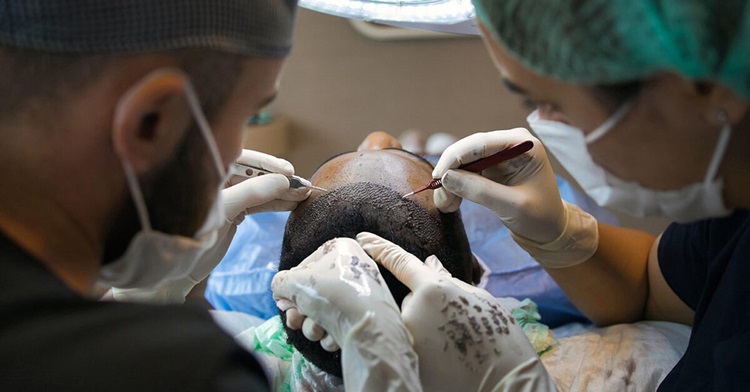
Hair loss is a common concern affecting millions of men and women worldwide. Whether caused by genetics, hormonal changes, stress, medical conditions, or aging, thinning hair can significantly impact confidence and self-image. Fortunately, advancements in medical technology have made hair transplant procedures more effective, natural-looking, and accessible than ever before.
In this comprehensive guide, we will explore what a hair transplant is, how it works, the different techniques available, benefits, risks, recovery process, and what to expect before and after treatment. We will also highlight trusted clinics such as Gold City and specialized centers for hair transplantation to help you make an informed decision.
What Is a Hair Transplant?
A hair transplant is a minimally invasive surgical procedure that moves healthy hair follicles from one part of the scalp (usually the back or sides, known as the donor area) to areas experiencing thinning or baldness (recipient area). The transplanted hair continues to grow naturally because it is resistant to the hormone responsible for pattern baldness.
Hair transplantation is primarily used to treat:
- Male pattern baldness
- Female pattern hair loss
- Receding hairlines
- Bald patches
- Hair loss due to injury or scars
- Beard and eyebrow restoration
The procedure has evolved significantly over the past two decades, providing natural density and long-lasting results.
How Hair Transplantation Works
Modern hair transplantation focuses on extracting individual hair follicles and implanting them carefully to mimic natural hair growth patterns. Clinics like specialists use advanced tools and precise techniques to ensure minimal scarring and optimal growth.
The process typically includes:
- Consultation and Assessment
A medical professional evaluates hair loss patterns, scalp condition, and donor hair availability. - Planning the Hairline
Designing a natural-looking hairline is crucial for aesthetic results. - Extraction of Hair Follicles
Healthy follicles are removed from the donor area. - Implantation
The extracted follicles are implanted into tiny incisions in the recipient area. - Recovery and Growth
The transplanted hair sheds initially and then regrows permanently over several months.
Types of Hair Transplant Techniques
There are two primary techniques widely used today:
1. Follicular Unit Extraction (FUE)
FUE is the most popular method worldwide. Individual hair follicles are extracted one by one using micro-punch tools. This method:
- Leaves minimal scarring
- Offers faster healing
- Is less invasive
- Provides natural results
FUE is ideal for patients who prefer short hairstyles because it does not leave a linear scar.
2. Follicular Unit Transplantation (FUT)
FUT involves removing a strip of scalp from the donor area and dissecting it into grafts. While effective, it may leave a linear scar. It is sometimes chosen when a large number of grafts are needed.
Both methods are safe when performed by experienced professionals at reputable clinics such as Gold City.
Why People Choose Hair Transplant
Hair restoration has become increasingly popular for several reasons:
Permanent Solution
Unlike topical treatments or medications, transplanted hair is permanent because it comes from genetically resistant follicles.
Natural Appearance
Modern techniques allow surgeons to replicate natural hair direction, angle, and density.
Improved Confidence
Restoring a youthful hairline can significantly enhance self-esteem and social confidence.
Low Maintenance
Once the hair grows, it requires no special maintenance beyond normal hair care.
For those seeking specialized services, platforms like <a href=”https://goldcityhair.com/”>Hair transplant</a> centers offer tailored solutions depending on individual hair loss patterns.
Who Is a Good Candidate?
You may be a suitable candidate if:
- You have sufficient donor hair
- Your hair loss pattern is stable
- You are in good overall health
- You have realistic expectations
Both men and women can benefit from hair transplantation. However, a consultation with a certified clinic such as Gold City is essential to determine eligibility.
The Procedure: Step-by-Step Overview
Step 1: Consultation
A detailed scalp analysis is performed. The doctor discusses goals, expectations, and possible outcomes.
Step 2: Preparation
The donor area is trimmed and numbed using local anesthesia.
Step 3: Graft Extraction
Depending on the chosen technique (FUE or FUT), follicles are carefully extracted.
Step 4: Recipient Site Creation
Tiny incisions are made to place grafts strategically for a natural look.
Step 5: Implantation
Hair follicles are inserted at precise angles to mimic natural growth.
The entire procedure can take between 4 to 8 hours depending on the number of grafts required.
Recovery Process and Timeline
One of the biggest advantages of modern hair transplantation is the relatively short recovery time.
First Week
- Mild swelling and redness
- Small scabs around grafts
- Avoid touching or washing aggressively
Weeks 2–4
- Transplanted hair may shed (shock loss)
- Healing continues
Months 3–6
- New hair growth begins
- Noticeable improvement in density
9–12 Months
- Full results become visible
- Hair thickens and blends naturally
Following post-operative instructions from clinics such as Gold City ensures optimal results.
Risks and Considerations
Although hair transplants are generally safe, potential risks include:
- Temporary swelling
- Minor bleeding
- Infection (rare)
- Uneven growth (if poorly performed)
Choosing an experienced and reputable clinic greatly reduces these risks.
Cost of Hair Transplant
The cost of a hair transplant depends on:
- Number of grafts required
- Technique used
- Clinic reputation
- Geographic location
Many patients consider traveling abroad for affordable yet high-quality procedures. European medical centers such as Gold City are known for combining expertise with competitive pricing.
Hair Transplant vs. Non-Surgical Treatments
While medications like Minoxidil or Finasteride can slow hair loss, they do not restore lost follicles permanently. PRP (Platelet-Rich Plasma) therapy may improve hair thickness but is often used as a complementary treatment.
Hair transplantation remains the most reliable long-term solution for advanced hair loss.
Psychological Benefits of Hair Restoration
Hair loss can affect mental health, leading to anxiety and reduced self-esteem. A successful hair transplant can:
- Improve body image
- Increase social confidence
- Enhance professional appearance
- Reduce stress related to hair loss
The emotional impact is often just as significant as the physical transformation.
Choosing the Right Clinic
Selecting the right clinic is crucial for achieving natural results. Consider:
- Surgeon’s experience
- Before-and-after photos
- Patient reviews
- Medical certifications
- Hygiene standards
Reputable clinics offering hair transplantation focus on personalized treatment plans rather than one-size-fits-all solutions.
Frequently Asked Questions (FAQ)
1. Is a hair transplant painful?
The procedure is performed under local anesthesia, so patients feel minimal discomfort. Mild soreness may occur afterward.
2. How long does a hair transplant last?
Transplanted hair is permanent because it is resistant to the hormone that causes baldness.
3. When will I see results?
Initial growth starts around 3–4 months, with full results visible after 9–12 months.
4. Can women undergo hair transplantation?
Yes, women with thinning hair or bald patches can benefit from the procedure.
5. Is there any scarring?
FUE leaves tiny, nearly invisible scars, while FUT may leave a linear scar.
6. How many grafts do I need?
This depends on the extent of hair loss and desired density.
7. Can the transplanted hair fall out again?
Transplanted hair is typically permanent, though natural aging may affect surrounding hair.
Final Thoughts
A hair transplant is a scientifically advanced and permanent solution for hair loss. With modern techniques like FUE and FUT, patients can achieve natural, long-lasting results with minimal downtime. Whether you are experiencing early thinning or advanced baldness, hair transplantation offers a reliable path to restored confidence.
Choosing a trusted clinic such as Gold City or a specialized center ensures professional care and optimal outcomes.
If you are considering hair restoration, schedule a consultation with an experienced medical team to determine the best approach for your unique needs. With proper planning and expert execution, a hair transplant can truly transform not only your appearance but also your confidence and quality of life.