





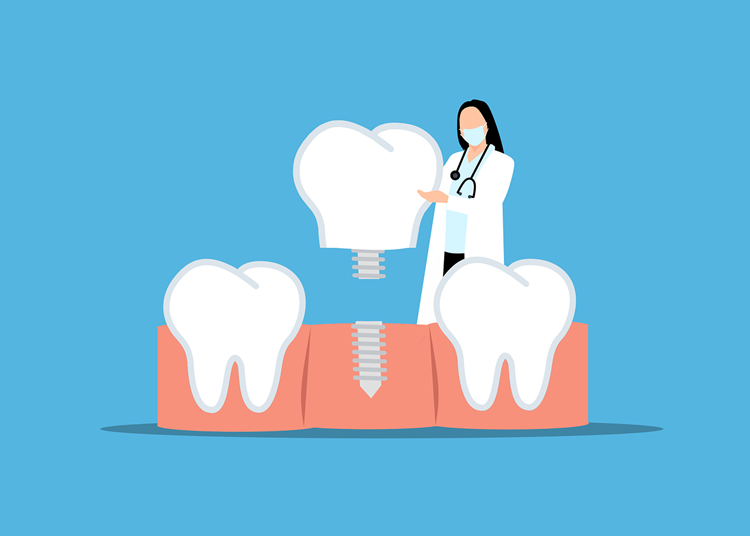
Dental implants are a modern and effective solution for replacing missing teeth, offering both functionality and a natural appearance. Unlike traditional dentures, implants are securely anchored into the jawbone, providing long-lasting stability and comfort. With proper care, dental implants can restore your smile, improve chewing, and boost overall confidence.
When most people think about dental implants, they think about the end result, a restoration that looks similar to a natural tooth, helping restore their smile. But what really matters for the long-term success of the treatment is something you can’t see: bone health. For those considering Dental Implants in Melbourne it helps to understand the role bone plays in supporting the implant and what can be done to keep the bone healthy and strong.
The Support System Under Every Implant
Your jawbone acts similar to the solid ground a house is built on. When a dental implant is placed, it does not simply sit in the gum, it must be secured to the bone. This is called osseointegration. The bone must be properly fused tightly around the titanium post, creating stability for the fixture above, whether it is a crown, bridge, or denture. If the bone becomes unhealthy, the post may be lose or even fail entirely.
Why Bone Health Can Decline Over Time
When a tooth exits the mouth, it can no longer stimulate the bone that holds it in place. Overtime, the jawbone surrounding the missing tooth will shrink. The resportion and atrophy that occur will ultimately make it more difficult for placement of a future tooth implant. The area will also change the shape of your face, giving it a sunken or older look.
Other reasons that bone may weaken include:
- Gum disease: Chronic infection may destroy supporting bone tissue
- Smoking: Cuts down on blood flow to the bone, slows healing with loss of bone.
- Medical conditions: Disease such as osteoporosis or diabetes affect the bone density.
- Poor nutrition: Not enough calcium or vitamin D decreases the structure of the bone
Should you have already loss bone, don’t fret, a dental implants specialist will evaluate your jawbone and discuss options to consider, including bone grafting to replace bone in the area before placing the implant.
Read More : The Role of Bone Density in Implant Success
Steps You Can Take to Stay Bone Strong
The good news is there are things you can do to maintain and build the jawbone, prior to implant placement, and after implants. Even small changes to lifestyle can add up in creating meaning changes over time.
1. Eating for Bone Health
Foods rich in calcium help maintain strong bone density. Be sure to get enough vitamin D from sunlight or supplements, as it helps your body absorb calcium effectively. Don’t forget protein, it’s vital for healing and tissue repair after surgery. A balanced diet supports recovery and helps you achieve lasting results with the best dental implants Melbourne patients can rely on.
2. Hydration and Smoking Cessation
Both smoking and drinking alcohol will slow down your healing and limit the flow of oxygen to your gums. Staying hydrated provides better health for your tissues and improves the healing process.
3. Oral Hygiene
Good brushing and flossing habits are really important to reducing gum disease, another major threat to your bone density.
4. Get Exercise
Exercise helps improve circulation overall and in turn improve your bones naturally.
5. Don’t Wait to Get Implant Treatment
Once you lose a tooth, the longer you wait to replace it, the more bone you’ll lose in that area. Placing the implant sooner helps preserve bone and may prevent the need for complex grafting later, an important factor to consider when thinking about Dental implants cost in Melbourne.
6. Long-Term Care for Longevity
Regular follow-ups with your dentist will help to monitor bone levels and catch any signs of inflammation of gum tissue or bone loss in their early stages. If you have the proper habits, your implants can last multiple decades.
The Role of a Specialist
Each person’s bone architecture is different. A Dental Implants Melbourne clinic will digitally scan the area of the bone to determine strength to ensure that the implant is placed accurately and safely.
When Consider Bone Grafting
If your bone is not strong enough to hold an implant, your dentist may recommend bone grafting, which simply refers to adding some bone material to the area to build it up for the implant, once again helping ensure the implant is successful. Don’t forget; when calculating the cost of dental implants in Melbourne, note it covers more than just a tooth; it includes care, techniques, materials, and long-term health of your bone.
Final Thoughts
Bone is important not just for stability, but also for the success of your implant. Whether you are exploring dental implants near me or comparing other treatment options, you should always think about your bone health as part of the greater view. With proper self-care, nutrition, and support from a trusted person or professional, you may find yourself with a stable and confident smile for years and years.