




Heart disease remains one of the leading causes of morbidity and mortality worldwide. Fortunately, advancements in medical science have made CARDIOLOGY Treatment and Rehabilitation highly effective in restoring cardiac function, improving quality of life, and reducing the risk of future complications. This article delves into the essential aspects of cardiology treatment and rehabilitation, including medical interventions, lifestyle modifications, and supportive therapies.
Understanding CARDIOLOGY Treatment and Rehabilitation
CARDIOLOGY Treatment and Rehabilitation refers to the combined medical and lifestyle approaches designed to manage heart disease and aid recovery after cardiac events such as heart attacks, heart surgeries, or chronic heart failure. This comprehensive care model not only focuses on symptom relief but also emphasizes long-term prevention and patient education.
The main objectives include:
- Restoring heart function
- Reducing symptoms such as chest pain, shortness of breath, and fatigue
- Preventing future cardiac events
- Enhancing physical, emotional, and social well-being
Rehabilitation programs are tailored to each patient, considering the type of heart disease, severity, and overall health condition.
Medical Interventions in Cardiology Treatment
Pharmacological Therapy
Medications play a central role in CARDIOLOGY Treatment and Rehabilitation. Common classes include:
- Antiplatelet drugs: Reduce blood clot formation, essential after heart attacks or stent placement
- Beta-blockers: Lower heart rate and blood pressure, reducing cardiac workload
- ACE inhibitors and ARBs: Help relax blood vessels, control blood pressure, and improve heart function
- Statins: Lower cholesterol and prevent plaque buildup in arteries
- Diuretics: Manage fluid retention in heart failure patients
Careful monitoring and dosage adjustment by cardiologists ensure optimal outcomes and minimize side effects.
Surgical and Interventional Procedures
For severe or acute cardiac conditions, procedures may be required:
- Angioplasty and stenting: Opens blocked arteries to restore blood flow
- Coronary artery bypass grafting (CABG): Redirects blood around blocked arteries
- Valve repair or replacement: Treats diseased heart valves
- Pacemakers and defibrillators: Regulate heart rhythm and prevent sudden cardiac death
These interventions are often followed by structured rehabilitation programs to maximize recovery.
Cardiac Rehabilitation: The Key Component
What Is Cardiac Rehabilitation?
Cardiac rehabilitation is a medically supervised program aimed at improving heart health post-cardiac event or surgery. It integrates exercise training, education, and lifestyle counseling to support CARDIOLOGY Treatment and Rehabilitation.
Phases of Cardiac Rehabilitation
- Phase I – Inpatient Care: Begins in the hospital immediately after a cardiac event, focusing on early mobilization, monitoring vital signs, and patient education.
- Phase II – Outpatient Program: Includes structured exercise sessions, nutrition counseling, and psychological support for 6-12 weeks post-discharge.
- Phase III – Long-Term Maintenance: Encourages patients to continue exercise, adhere to medications, and maintain lifestyle changes under periodic medical supervision.
Exercise and Physical Activity
Exercise is a cornerstone of CARDIOLOGY Treatment and Rehabilitation. Tailored programs are designed to improve cardiovascular endurance, strengthen the heart muscle, and enhance overall physical fitness.
- Aerobic exercises: Walking, swimming, or cycling help improve circulation and lower blood pressure.
- Strength training: Builds muscle mass and supports metabolism.
- Flexibility and balance exercises: Reduce injury risk and improve mobility, especially in older adults.
Patients are monitored closely to ensure safety, particularly those with heart failure or arrhythmias.
Nutrition and Lifestyle Modifications
A heart-healthy lifestyle significantly complements medical treatment. Key recommendations include:
- Balanced diet: Rich in fruits, vegetables, whole grains, lean proteins, and low-fat dairy
- Low sodium intake: Helps manage blood pressure and reduce fluid retention
- Limiting saturated fats and sugars: Prevents plaque buildup and obesity
- Weight management: Achieving and maintaining a healthy weight reduces cardiac strain
- Smoking cessation and alcohol moderation: Essential for heart protection
Lifestyle counseling often involves nutritionists and psychologists to support sustainable behavioral changes.
Psychological Support and Stress Management
Mental health plays a crucial role in cardiac recovery. Anxiety, depression, and stress can negatively impact heart health and rehabilitation outcomes.
- Cognitive-behavioral therapy (CBT): Helps patients cope with emotional challenges
- Mindfulness and relaxation techniques: Reduce stress and lower blood pressure
- Support groups: Provide community and encouragement from individuals with similar experiences
Incorporating psychological support enhances adherence to rehabilitation programs and improves overall well-being.
Monitoring and Follow-Up
Effective CARDIOLOGY Treatment and Rehabilitation requires regular monitoring:
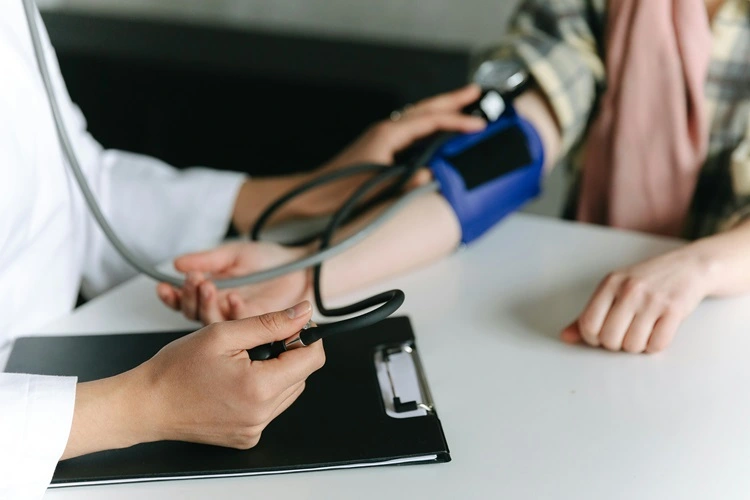
- Routine check-ups: Track heart function, blood pressure, and cholesterol
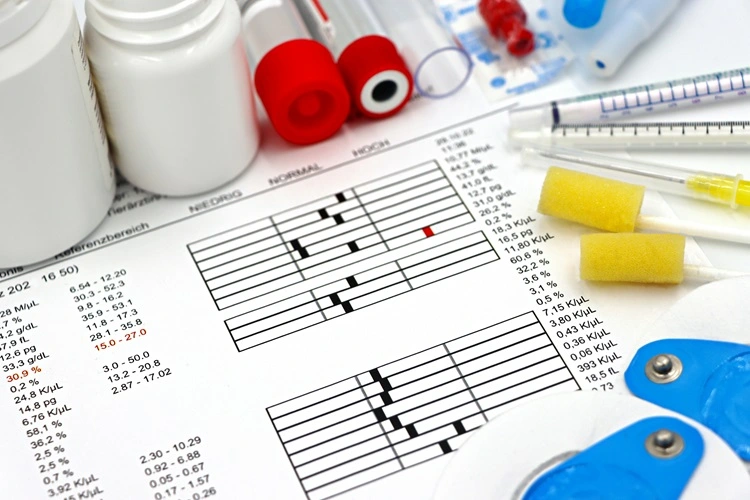
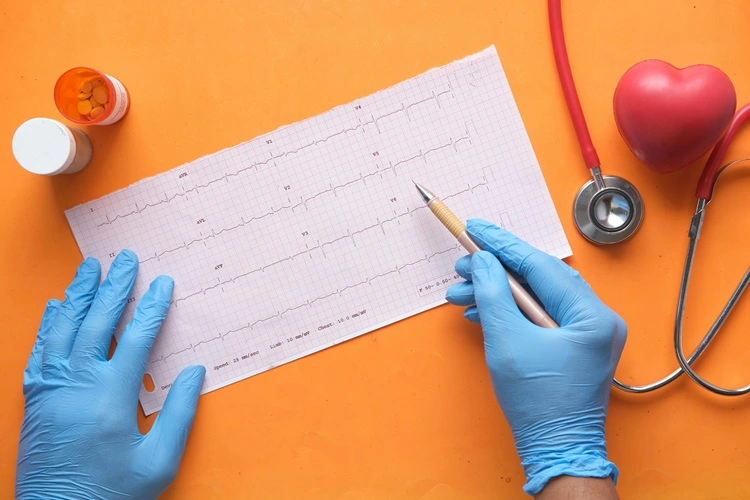
- Diagnostic tests: ECG, echocardiograms, and stress tests assess recovery progress
- Medication review: Ensures optimal dosing and identifies side effects
- Lifestyle audits: Evaluate diet, physical activity, and stress management practices
Continuous follow-up ensures early detection of complications and reinforces long-term adherence to a heart-healthy lifestyle.
Advanced Therapies and Innovations
Recent advancements have enhanced cardiology rehabilitation:
- Tele-rehabilitation programs: Allow remote monitoring and exercise guidance for patients unable to attend in-person sessions
- Wearable technology: Devices track heart rate, activity, and sleep patterns to personalize rehabilitation
- Personalized medicine: Genetic and biomarker analysis help tailor pharmacological therapy for maximum effectiveness
Such innovations increase accessibility, improve outcomes, and empower patients in their recovery journey.
The Importance of Patient Education
Educating patients about heart disease, risk factors, and self-care practices is integral to CARDIOLOGY Treatment and Rehabilitation. Informed patients are more likely to:
- Adhere to medications
- Maintain lifestyle changes
- Recognize warning signs of complications
- Engage actively in rehabilitation programs
Empowering patients with knowledge reduces hospital readmissions and promotes long-term heart health.
Conclusion
CARDIOLOGY Treatment and Rehabilitation is a multifaceted approach that combines medical interventions, structured rehabilitation, lifestyle modifications, and psychological support. Success depends on individualized care, patient engagement, and continuous follow-up. With modern treatments, innovative therapies, and dedicated rehabilitation programs, patients can achieve significant recovery, prevent future cardiac events, and lead healthier, more fulfilling lives.
Investing in heart health through comprehensive treatment and rehabilitation is not just about survival—it’s about thriving after a cardiac event.