





Cardiology is a specialized branch of medicine focused on diagnosing and treating heart-related conditions. Early and accurate diagnosis is essential for preventing complications such as heart attacks, arrhythmias, or heart failure. This article provides a comprehensive overview of cardiology diagnosis and tests, explaining their significance, methods, and applications in modern healthcare.
What is Cardiology Diagnosis?
Cardiology diagnosis involves identifying the underlying causes of heart problems through a combination of medical history, physical examinations, and specialized tests. Cardiologists assess symptoms such as chest pain, shortness of breath, palpitations, and fatigue to determine potential cardiovascular diseases.
Accurate diagnosis helps in:
- Early detection of heart disease
- Tailoring personalized treatment plans
- Reducing the risk of heart attacks and strokes
- Monitoring the progression of heart conditions
Common Symptoms Indicating Heart Problems
Recognizing symptoms early is critical in cardiology. Some common indicators include:
- Chest Pain or Discomfort: Often associated with angina or myocardial infarction
- Shortness of Breath: Can signal heart failure or valve problems
- Palpitations: Irregular heartbeat may indicate arrhythmia
- Swelling: Fluid retention in legs or abdomen, a sign of heart failure
- Fatigue: Reduced blood flow can lead to chronic tiredness
Key Cardiology Tests and Diagnostic Procedures
Cardiologists use a variety of diagnostic tests to evaluate heart health. These tests range from simple non-invasive methods to advanced imaging techniques.
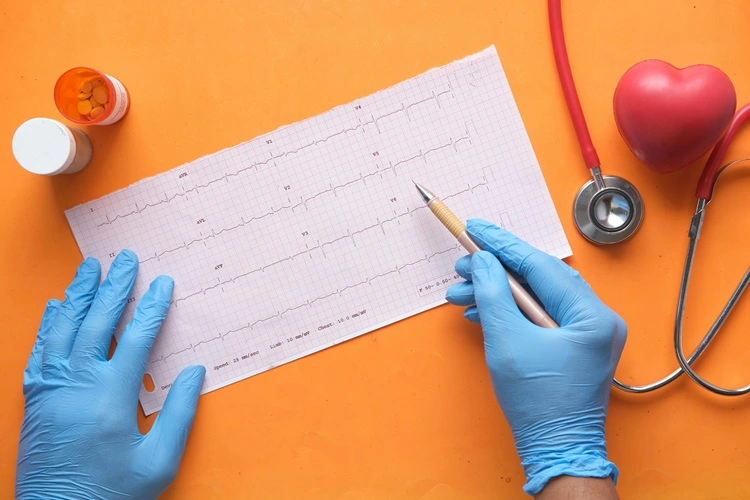
Electrocardiogram (ECG or EKG)
An electrocardiogram measures the electrical activity of the heart. It is a quick, non-invasive test that helps detect:
- Arrhythmias (irregular heartbeats)
- Previous or ongoing heart attacks
- Structural abnormalities
Procedure: Small electrodes are placed on the chest, arms, and legs, and the heart’s electrical signals are recorded.
Echocardiography
Echocardiography uses ultrasound waves to create images of the heart. It allows cardiologists to assess:
- Heart chamber size and function
- Valve function
- Blood flow patterns
- Heart muscle damage
This test is safe, non-invasive, and often used for routine heart monitoring.
Stress Testing
Stress tests evaluate how the heart performs under physical exertion. Types include:
- Treadmill Stress Test: Patient walks on a treadmill while heart activity is monitored
- Pharmacological Stress Test: Medication is used to simulate exercise for patients unable to walk
Stress testing helps detect coronary artery disease and exercise-induced arrhythmias.
Cardiac CT and MRI
Advanced imaging techniques like Cardiac CT (Computed Tomography) and Cardiac MRI (Magnetic Resonance Imaging) provide detailed views of the heart’s structure and blood vessels. These tests are used to:
- Detect congenital heart defects
- Assess heart muscle function
- Evaluate coronary artery blockages
These scans are highly accurate and often guide treatment decisions, including surgery or interventions.
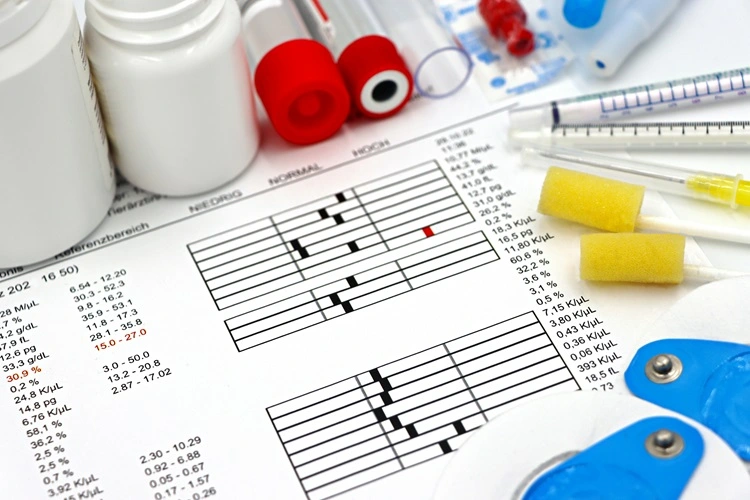
Blood Tests
Blood tests play a crucial role in diagnosing heart conditions. Key markers include:
- Troponin: Indicates heart muscle damage
- BNP (B-type Natriuretic Peptide): Helps detect heart failure
- Cholesterol and Lipid Profile: Assess risk factors for coronary artery disease
Regular monitoring through blood tests is essential for patients with chronic heart conditions.
Holter Monitoring
A Holter monitor is a portable ECG device worn for 24-48 hours to continuously record heart rhythms. It is useful for detecting:
- Intermittent arrhythmias
- Silent ischemia (reduced blood flow without symptoms)
Holter monitoring provides a detailed record that helps cardiologists fine-tune treatment plans.
Cardiac Catheterization
Cardiac catheterization is an invasive procedure that provides information about the heart’s blood vessels and chambers. It is used to:
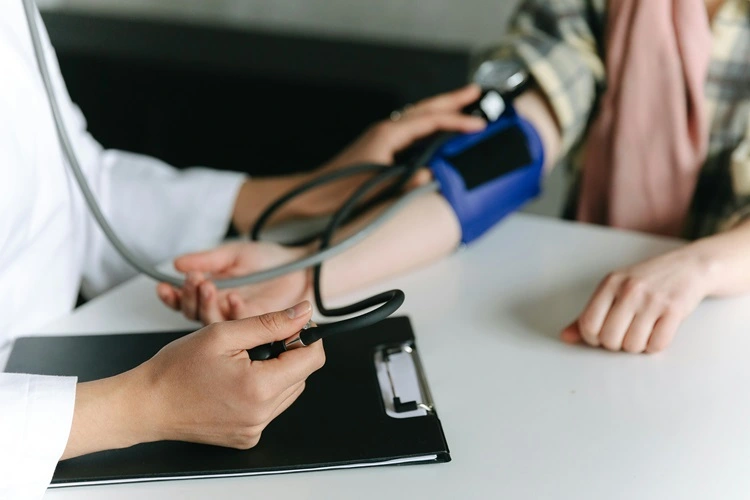
- Measure blood pressure within the heart
- Evaluate blood flow
- Detect blockages in coronary arteries
During this test, a catheter is inserted into an artery, often in the groin or arm, and guided to the heart. Sometimes, interventions like angioplasty or stent placement are performed simultaneously.
Preparing for Cardiology Tests
Preparation depends on the type of test. General guidelines include:
- Fasting: Some blood tests require fasting for 8-12 hours
- Medications: Inform your doctor about current medications
- Comfortable Clothing: Recommended for treadmill or stress tests
- Avoid Caffeine or Nicotine: Can affect heart rate and test accuracy
Following instructions ensures accurate results and reduces complications during tests.
The Importance of Early Diagnosis
Early detection of heart conditions significantly improves outcomes. Timely diagnosis allows for:
- Lifestyle modifications (diet, exercise, and smoking cessation)
- Medications to control blood pressure, cholesterol, or arrhythmias
- Interventions such as stenting, surgery, or implantable devices
- Continuous monitoring to prevent disease progression
Patients with a family history of heart disease should undergo regular screenings, even in the absence of symptoms.
Innovations in Cardiology Diagnostics
Modern cardiology has advanced with technologies like:
- 3D Echocardiography: Provides more accurate structural information
- Wearable Heart Monitors: Track heart activity in real-time
- AI-Powered Analysis: Improves accuracy in interpreting ECGs and imaging
- Genetic Testing: Identifies hereditary risks for heart diseases
These innovations are making cardiology diagnostics faster, safer, and more precise than ever before.
Conclusion
Understanding cardiology diagnosis and tests is crucial for maintaining heart health. From non-invasive techniques like ECG and echocardiography to advanced procedures such as cardiac catheterization, each test plays a vital role in detecting, monitoring, and managing heart conditions. Regular check-ups, timely testing, and lifestyle adjustments can dramatically reduce cardiovascular risks and improve quality of life.
Maintaining awareness of symptoms, staying proactive with screenings, and consulting a cardiologist when necessary ensures your heart stays healthy for years to come.