




Cardiovascular diseases remain a leading cause of mortality worldwide. Early detection and accurate evaluation are crucial for effective management and treatment. This is where CARDIOLOGY Diagnosis and Tests play a vital role. Understanding these diagnostic tools helps patients and healthcare providers make informed decisions about heart health.
What Are CARDIOLOGY Diagnosis and Tests?
CARDIOLOGY Diagnosis and Tests are medical procedures designed to evaluate the structure and function of the heart. These tests help identify cardiovascular conditions such as coronary artery disease, arrhythmias, heart valve problems, and congenital heart defects. They are crucial for early detection, monitoring, and guiding treatment strategies.
Cardiologists rely on a combination of patient history, physical examination, and diagnostic testing to assess heart health accurately. Tests can range from non-invasive imaging to invasive procedures, depending on the patient’s symptoms and risk factors.
Common Types of CARDIOLOGY Diagnosis and Tests
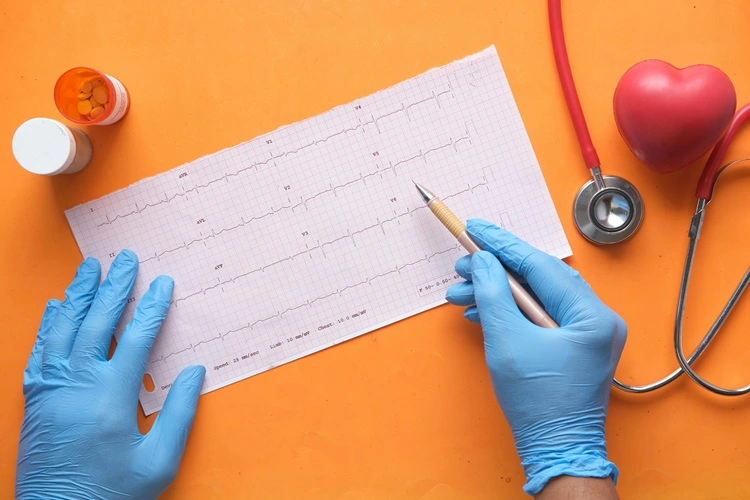
Electrocardiogram (ECG or EKG)
An ECG is one of the most common and non-invasive cardiology tests. It records the electrical activity of the heart and helps detect abnormal heart rhythms, heart attacks, or structural abnormalities.
- Procedure: Electrodes are placed on the chest, arms, and legs to record electrical signals.
- Benefits: Quick, painless, and provides immediate results.
- Limitations: Cannot detect all heart conditions and may require additional tests for confirmation.
Echocardiogram
An echocardiogram uses ultrasound waves to produce images of the heart’s chambers, valves, and blood flow. It is invaluable for diagnosing heart valve diseases, cardiomyopathy, and congenital heart defects.
- Types: Transthoracic echocardiogram (TTE) and transesophageal echocardiogram (TEE).
- Procedure: A probe emits ultrasound waves, which create real-time images of the heart.
- Benefits: Non-invasive, detailed, and allows functional assessment of the heart.
Stress Testing
Stress tests assess how the heart responds to physical exertion or stress, revealing problems not apparent at rest.
- Types: Exercise stress test and pharmacologic stress test.
- Procedure: The patient walks on a treadmill or takes medication that simulates exercise while monitoring heart activity via ECG and blood pressure.
- Benefits: Identifies coronary artery disease, exercise-induced arrhythmias, and heart function under stress.
Cardiac Catheterization and Angiography
Cardiac catheterization is an invasive procedure that evaluates heart chambers, valves, and coronary arteries. It often includes angiography, where a contrast dye highlights arteries on X-ray images.
- Procedure: A catheter is inserted into an artery (usually in the groin or arm) and guided to the heart.
- Benefits: Provides detailed information for diagnosis and allows interventional procedures like stent placement.
- Risks: Minimal but may include bleeding, infection, or allergic reaction to dye.
Holter Monitoring
A Holter monitor is a portable device worn for 24–48 hours to record continuous ECG activity. It detects intermittent arrhythmias or heart rate irregularities not captured during a standard ECG.
- Procedure: Electrodes are attached to the chest and connected to a small recorder.
- Benefits: Tracks heart activity over an extended period, capturing rare events.
- Limitations: Cannot provide structural information about the heart.
Blood Tests for Cardiac Biomarkers
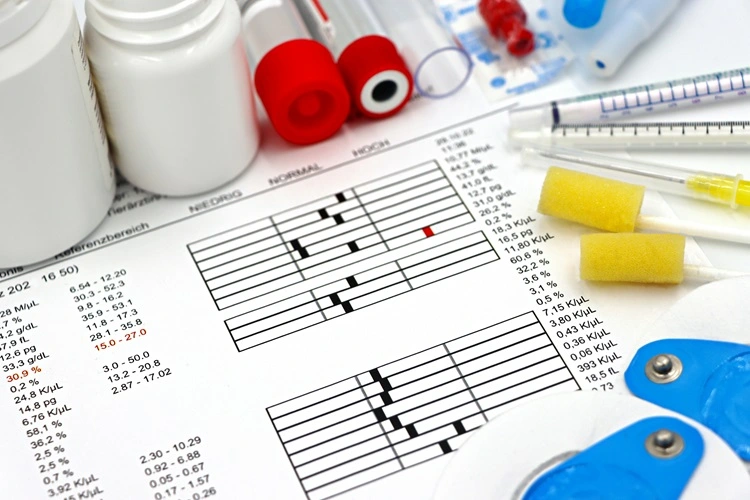
Blood tests are an essential component of CARDIOLOGY Diagnosis and Tests. They detect markers like troponin, creatine kinase (CK-MB), and BNP, which indicate heart damage or heart failure.
- Procedure: A blood sample is drawn and analyzed in a lab.
- Benefits: Early detection of heart attacks and ongoing heart stress.
- Limitations: Cannot replace imaging or functional tests.
Advanced Imaging Tests
Computed Tomography (CT) Scan
A cardiac CT scan creates detailed images of the heart and blood vessels to identify blockages or structural abnormalities.
Magnetic Resonance Imaging (MRI)
Cardiac MRI provides high-resolution images of the heart’s structure, function, and tissue characteristics. It is useful for assessing cardiomyopathies, congenital defects, and cardiac tumors.
- Benefits of Advanced Imaging: High accuracy, non-invasive, and comprehensive assessment of heart structure and blood flow.
Why CARDIOLOGY Diagnosis and Tests Are Important
Accurate cardiology testing:
- Detects heart conditions early, reducing the risk of complications.
- Guides treatment decisions, such as medication, lifestyle modifications, or surgical interventions.
- Monitors disease progression and evaluates the effectiveness of treatments.
- Provides peace of mind to patients with family history or risk factors for heart disease.
Preparing for CARDIOLOGY Diagnosis and Tests
Patients should follow specific instructions before certain tests:
- Fasting: Required for blood tests and some imaging studies.
- Medication adjustments: Some medications may need to be paused.
- Comfortable clothing: For stress tests or echocardiograms.
Always inform your cardiologist about allergies, medical history, and existing conditions to ensure accurate results.
Conclusion
CARDIOLOGY Diagnosis and Tests are essential for maintaining heart health. From routine ECGs to advanced imaging and invasive procedures, these tests provide vital information for early detection, accurate diagnosis, and effective treatment of cardiovascular diseases. Regular cardiac evaluations, especially for those with risk factors, can save lives and improve quality of life.
By understanding the various diagnostic options, patients can collaborate effectively with their healthcare providers to make informed decisions about heart care. Whether for routine screening or evaluation of symptoms, cardiology tests are a cornerstone of preventive and therapeutic heart medicine.