





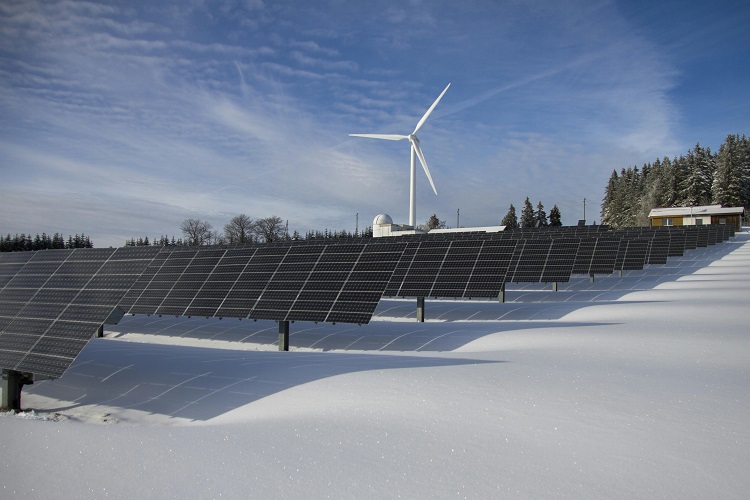
Solar tech refers to technologies that capture sunlight and convert it into usable energy, offering a clean and renewable alternative to fossil fuels. Using solar panels and photovoltaic cells, this technology generates electricity with minimal environmental impact, helping reduce carbon emissions and dependence on non-renewable resources. As innovation advances, solar tech has become more efficient, affordable, and accessible for homes, businesses, and large-scale power plants.
Beyond sustainability, solar tech supports energy independence and long-term cost savings. Modern systems can be paired with energy storage solutions, allowing power to be used even when sunlight is limited. With growing global demand for eco-friendly solutions, solar technology continues to play a vital role in shaping a more resilient and sustainable energy future.
Solar energy systems are built to be reliable, but like any technology, they benefit from consistent maintenance. Instead of waiting for something to go wrong, modern systems are shifting toward a smarter approach: predictive maintenance. Solar, a residential solar provider focused on customized solutions, helps homeowners understand how monitoring tools and proactive maintenance strategies can improve long-term performance, reduce unexpected downtime, and protect the value of their solar investment.
Predictive maintenance combines data analytics, real-time monitoring, and system insights to detect issues early before they impact power production. With the help of mobile apps and customer portals, homeowners can track performance trends, identify anomalies, and make informed decisions about service needs. By addressing potential problems proactively, they can extend the life of their solar components while avoiding unnecessary service calls and replacement costs.
What Is Predictive Maintenance?
Predictive maintenance is a strategy that uses data and trend analysis to forecast when equipment might fail or underperform. In solar energy systems, this approach helps identify performance issues like panel degradation, inverter fluctuations, or battery inconsistencies before they lead to more serious problems.
Unlike traditional maintenance, which happens on a set schedule, predictive tools evaluate system performance in real-time and respond based on actual system behavior. This method allows for targeted repairs and avoids replacing parts prematurely.
In many cases, issues are detected automatically through monitoring software or AI algorithms built into modern solar platforms. These systems continuously track performance metrics, comparing real-time data against expected output. When anomalies are detected, alerts are sent instantly to homeowners or service providers. It allows for swift troubleshooting, often before the user even notices a problem. Such automation minimizes energy loss and extends the lifespan of the equipment.
How It Works in Residential Solar Systems
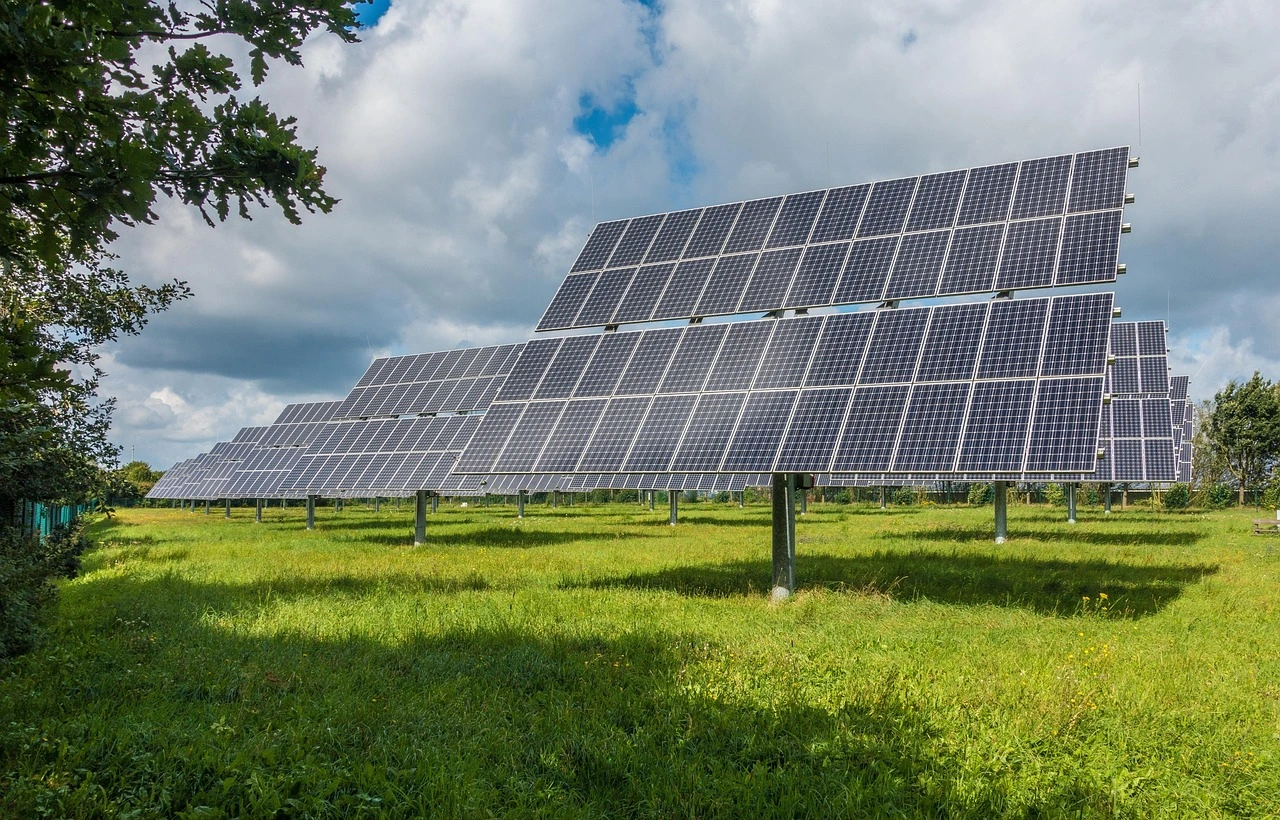
Predictive maintenance in residential solar systems typically relies on sensors, remote monitoring, and artificial intelligence. These tools continuously gather information from various system components, including:
- Solar panels: Voltage and current readings, temperature and shading levels
- Inverters: Conversion efficiency, output consistency and error reports
- Batteries: Charging and discharging patterns, capacity retention and voltage stability
When the software identifies deviations from expected performance, such as a panel producing less energy than others in the array, it can trigger a maintenance alert or generate a recommendation for inspection.
System designs that integrate real-time diagnostics and automated alerting make it easier for homeowners and technicians to act before performance is noticeably affected. These features reduce the need for manual checks and routine inspections, saving time and maintenance costs. By streamlining issue detection and resolution, they also help maintain optimal system efficiency year-round.
Benefits for Homeowners
One of predictive maintenance’s biggest advantages is cost savings. Identifying a small issue early can prevent more serious equipment failures that require expensive replacements. It also reduces the need for frequent service visits, as maintenance is only performed when necessary.
Additional homeowner benefits include:
- Increased uptime: Systems remain operational more consistently, ensuring a stable energy supply.
- Maximized energy output: By keeping all components functioning properly, systems generate more usable power over time.
- Better return on investment: Efficient operation leads to higher long-term savings on electricity bills.
- Peace of mind: Homeowners don’t have to guess when maintenance is needed or worry about unexpected failures.
For those using solar to support critical household functions, like medical devices or electric vehicle charging, uninterrupted system performance becomes even more important.
Enhancing Warranty Protection
Many solar products come with warranties that cover performance for 10 to 25 years. Those warranties may include conditions that require proper maintenance and timely reporting of issues.
Predictive maintenance helps ensure compliance with those requirements by detecting and documenting issues as soon as they arise. With automated logs and performance history readily available, warranty claims can be supported more easily and processed faster.
It is especially useful when working with component manufacturers or third-party service providers, who often need proof of a consistent system of care.
Remote Diagnostics and Faster Repairs
Another benefit of predictive systems is the ability to perform remote diagnostics. Instead of scheduling a technician to investigate an issue on-site, providers can often review system performance remotely to pinpoint the cause.
In many cases, the problem can be resolved through a firmware update, an inverter reset, or a panel-specific adjustment without the need for a physical visit. When a technician is required, knowing the exact issue in advance saves time and allows for faster repairs.
This efficient process is particularly valuable in urban areas where access may be limited or in rural settings where service visits require travel time.
Supporting Smarter Energy Use
Predictive maintenance prevents downtime and supports smarter energy management. When systems are running optimally, users benefit from more consistent power production and improved integration with storage and smart home devices.
For example, if an inverter is operating below expected efficiency, the system may struggle to charge a battery properly or keep up with household demand. Early detection avoids a ripple effect across the system and ensures all components are working together as designed.
Over time, these efficiencies contribute to stronger energy savings and a more stable home energy experience.
Choosing the Right System Features
Not all residential solar systems include predictive maintenance tools out of the box. Homeowners considering a solar installation or upgrade should ask their provider about monitoring options, system diagnostics, and remote service capabilities to ensure long-term performance and efficiency.
Freedom Forever reviews each customer’s energy needs and preferences to offer systems with integrated monitoring features and proactive performance tracking. By selecting a system with built-in intelligence, homeowners can benefit from fewer service interruptions, timely maintenance insights, and greater confidence in their solar investment.
Making Solar Simpler and Smarter
Predictive maintenance is part of a larger trend in solar: using data to simplify system management, reduce risks and increase savings. For homeowners, it means fewer surprises and more consistent performance without the need to constantly check or schedule upkeep.
As solar systems become more advanced, anticipating and resolving issues before they affect energy output is becoming standard practice. This approach not only saves time and money but also enhances the reliability and overall value of going solar. With the right technology and support, homeowners can make solar energy a dependable part of their everyday life, not just a sustainable one.
Conclusion:
Solar tech represents a powerful step toward a cleaner and more sustainable future. By harnessing renewable sunlight, it reduces environmental impact, lowers energy costs, and supports long-term energy security. As technology continues to advance, solar solutions will become even more efficient and accessible, making solar tech a smart and responsible choice for a greener world.