





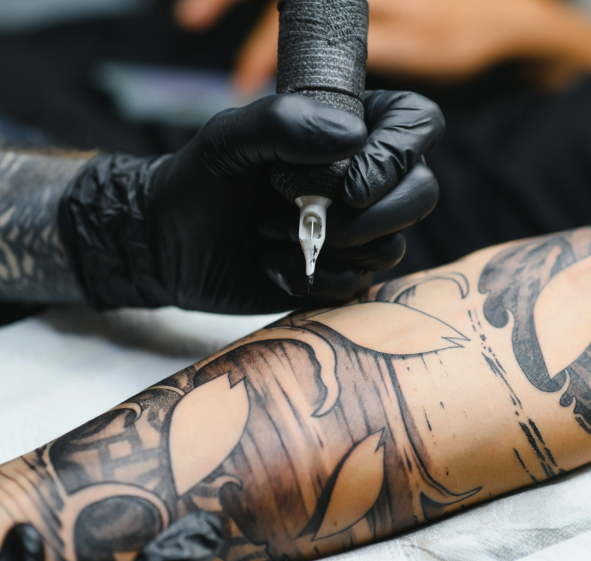
A tattoo is serious business: it’s more than just a piece of ink on skin. It’s a personal work of art in which the person “wearing” it connects and feels part of something other than ordinary. Creating a tattoo mood board will help clarify your vision even before you sit in the chair. This could also give your artist a special direction for crafting just the right design against your style and story.
A tattoo is a form of body art that uses ink to create permanent designs on the skin, often representing personal stories, beliefs, or memories. People choose tattoos to express their identity, honor loved ones, or simply appreciate artistic designs. With countless styles such as traditional, minimalist, realism, and tribal, tattoos allow individuals to showcase creativity in a deeply personal way.
Beyond aesthetics, tattoos carry cultural and emotional significance across different societies. For many, the tattooing process itself is meaningful, marking important life moments or transformations. When done by a skilled artist using proper hygiene practices, tattoos become lasting symbols that blend art, emotion, and self-expression.
What Is a Tattoo Mood Board?
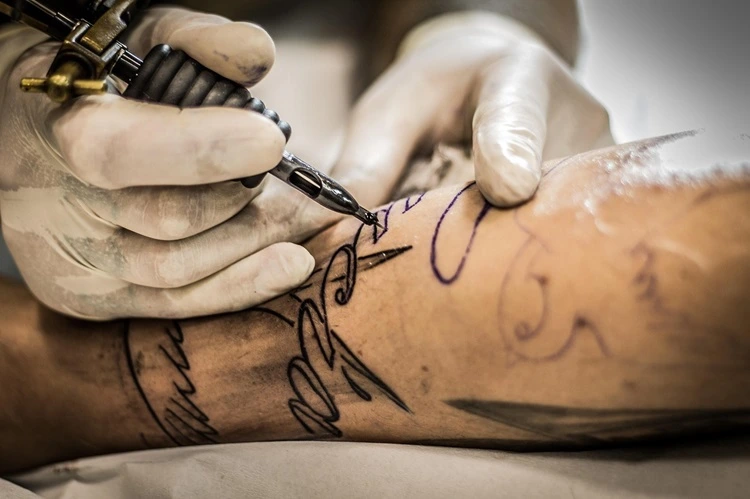
A tattoo mood board is a creative tool used to gather and organize visual inspiration before getting a tattoo. It often includes images, color palettes, symbols, typography, and artistic styles that reflect the desired theme or emotion. By compiling these elements in one place, individuals can clearly communicate their vision to a tattoo artist and ensure the final design aligns with their personal style and story.
Beyond inspiration, a tattoo mood board helps refine ideas and avoid design regret. It allows for experimentation with different concepts, placements, and moods before committing to permanent ink. This thoughtful process not only strengthens the creative direction but also builds confidence, resulting in a tattoo that feels meaningful, cohesive, and well-planned.
Gathering Some Inspiration
Start collecting images that put the most important pieces together to resonate with your vision. These can include:
- Tattoo designs you have admired.
- Artistic-ing “treatments” like illustrations or paintings.
- Moments with nature, animals, or symbols that mean something to you.
- Color ideas or textures that beckon inside.
Tattoo magazines, Pinterest, and Instagram speak volumes for ideas, and be sure not to hold back and add any item or detail that captures the mood you want-your tattoo may not look even close to it just yet.
Arranging Your Mood Board
Once you have your images, organize them into a physical or digital board. Each similar style, color, or theme must be grouped to tell a cohesive story. Emphasize those that are most important to you, photos that may contain specific shapes, patterns, or motifs. That way, it will be a lot easier for your tattooist to capture the core of your vision.
Conveying Your Vision
It’s also a good conversation starter: “What is a mood board?” Share that mood board with your artist. Talk about what each image means to you. Let him know which ones are non-negotiable and which ones are flexible at the end of the day. Collaborative work at its core would mean that the end design would truly represent you and your intention.
Read More : Indicators Your Business
Advantages of Mood Board

Mood boards offer several advantages, especially in creative projects like design, branding, fashion, and tattoos. Here are the key benefits:
-
Clarifies vision: A mood board helps turn abstract ideas into a clear visual direction, making concepts easier to understand and refine.
-
Saves time: By organizing inspiration in one place, it reduces confusion and speeds up the decision-making process.
-
Improves communication: Mood boards make it easier to explain ideas to designers, artists, or clients, reducing misunderstandings.
-
Encourages creativity: Seeing different elements together can spark new ideas and unique combinations.
-
Ensures consistency: It helps maintain a cohesive style, color palette, and mood throughout a project.
-
Reduces mistakes: Planning visually before execution lowers the risk of unwanted outcomes or revisions.
This post was written by J Michael Taylor. J Michael Taylor is an artist and the owner of Black Amethyst Tattoo Gallery. Looking for a Clearwater Tattoo Shop? Black Amethyst has you covered! They provide an art-first approach to custom tattooing in a gallery setting.